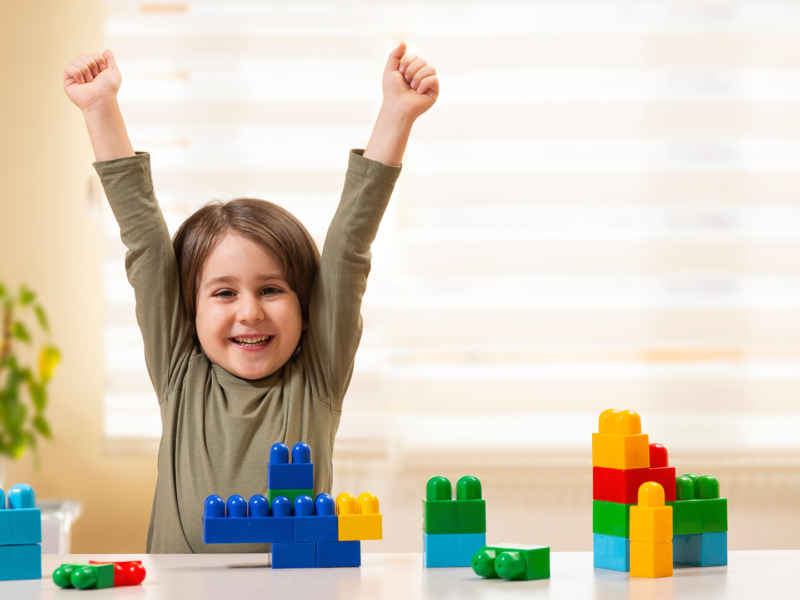
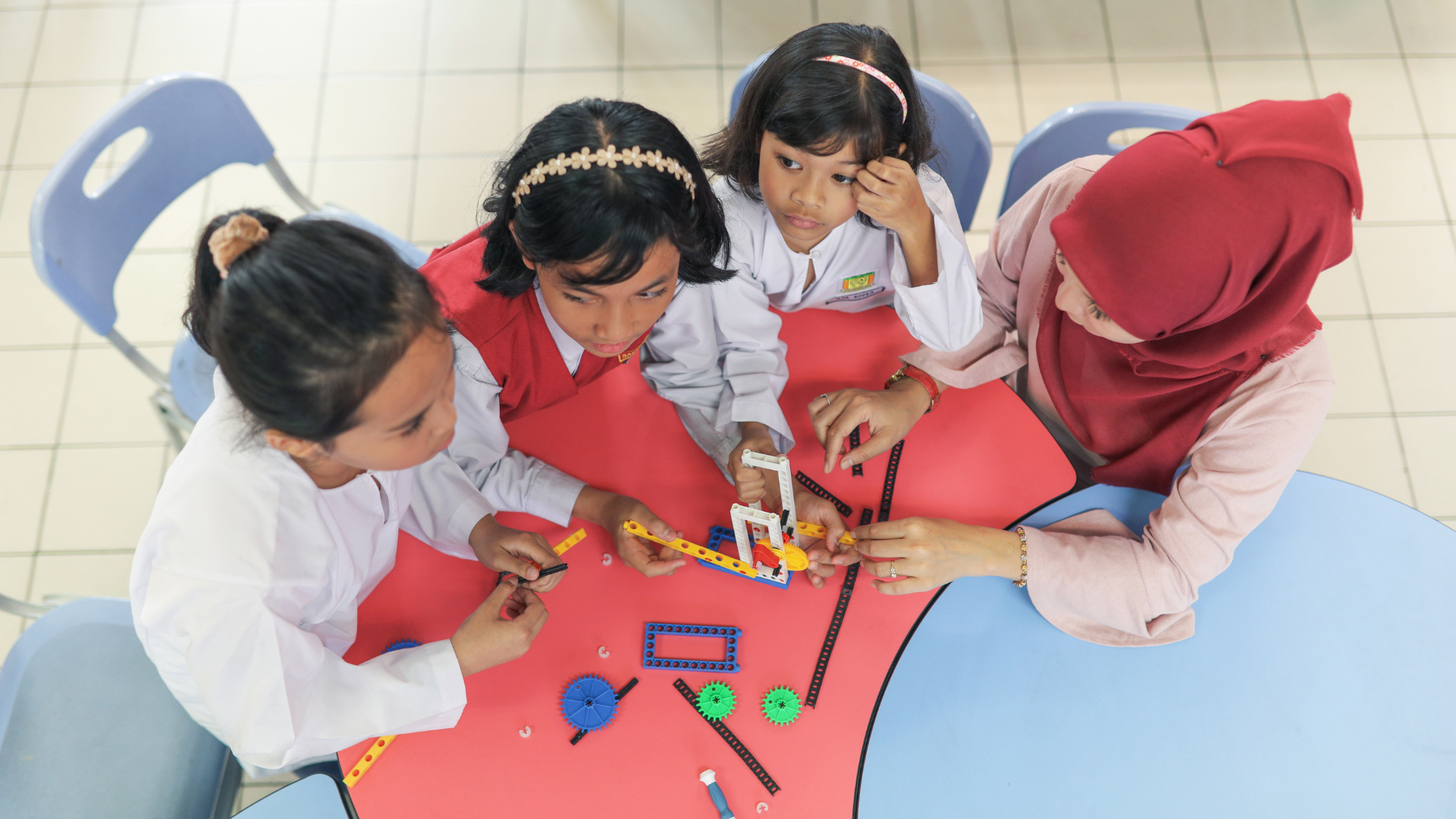
Extracurricular activities and sports are beneficial for many reasons. Not only can they teach children life skills, but they also offer kids the chance to make new friends, learn responsibilities, and improve social skills. Some kids find that participating in extracurricular activities boosts their confidence, which in turn helps them in the classroom. Activities can also teach kids responsibility by helping them take on responsibilities like taking turns or cleaning up. By being involved in extracurriculars, kids learn that there is no limit to what they can do.
Extra-curricular activities (ECAs) are a great way to gain new skills and make friends, and they can also be fun. But why are they important? To give you just one example, some experts believe that children should be able to participate in at least two ECAs per week. ECAs let kids explore activities they’re passionate about and help them develop recreational skills that will be useful later in life. ECAs may help children develop important skills like planning, problem-solving, time management, and leadership. Plus, ECAs help with stress management, and they also improve kids’ confidence.
What Are Extracurricular Activities?
Extracurricular activities can be broadly defined as activities one engages in outside of classroom activities. Extracurricular activities are different from extracurricular activities, which are activities related to a particular field of study, like teaching or medicine. Extracurricular activities generally include sports, art, music, and other school-based activities.
It helps to develop qualities of leadership and be assertive.
Assertiveness is the ability to assert yourself and maintain your personal boundaries. Such skills enable you to take charge of your life, saying no to those things that take you away from your goals without being rude or aggressive. It also enables you to take charge of your life, saying no to those things that take you away from your goals without being rude or aggressive.
It helps you to develop communication skills.
Picture this: Your child is immersed in one of the Summer Camps in Forest Hill-Rock Spring, MD, or a nearby locale, surrounded by peers of similar age but diverse backgrounds and perspectives. Here, they engage in conversations, exchange ideas, and potentially form lasting friendships. Such interactions not only foster communication skills but also teach invaluable lessons in empathy, cooperation, and understanding. By navigating social dynamics and learning to respect differing viewpoints, children develop crucial interpersonal skills that prepare them for future academic and professional endeavors. This highlights the power of extracurricular activities, which extend beyond summer camps to include sports, dance classes, and more, providing a well-rounded environment for growth and development.
Build self-confidence.
Extracurricular activities play a crucial role in building confidence by providing opportunities for students to explore interests and develop skills outside the classroom. Participating in clubs, sports, and arts allows individuals to take on responsibilities, work in teams, and achieve personal goals, fostering a sense of accomplishment. For example, engaging in dance classes at reliable establishments such as Liberty Dance Studio could not only teach students the art of dance but also encourage them to express themselves creatively and build their self-esteem. Similarly, participating in team sports often helps students develop resilience, learn teamwork, and gain confidence as they work toward shared goals. In these supportive environments, students can step out of their comfort zones, face challenges, and grow through practice and collaboration. Additionally, the social interactions and friendships formed during these activities enhance communication skills and build a supportive network. As students see their progress and receive positive feedback from instructors and peers, their belief in their abilities grows, contributing significantly to their overall confidence and preparing them for future endeavors.
Develop teamwork skills.
Extra-curricular activities are programs, clubs, and teams where students spend some of their time outside of class, doing things other than their regular classes. They’re designed to add interest to their curriculum, develop leadership skills, and instill in the participants a sense of pride in their school, their community, and themselves. For example, students who play sports are introduced to teamwork, practice, and competition, while students who participate in music programs learn to appreciate and enjoy music. These elements, if blended with an immersive setting with fellow students, can benefit personal development and social skills. Such an environment can be experienced at programs held at venues like this summer school for international students, where participants can engage in extra-curricular activities that tend to encourage collaboration, creativity, and self-confidence. This experience can help students build important life skills that extend far beyond the classroom.
Improve time management.
As the name suggests, extra-curricular activities are school activities like sports, clubs, music, and more. Imagine running a marathon or playing the oboe. These activities, like sports, are a great way to help motivate students in school and keep them out of trouble. Sports and activities also help students learn teamwork.
Foster responsibility.
In addition to being fun, playing sports or joining clubs is a great way to build character—and responsibility. Extracurricular activities are all about taking responsibility. You’ll often find that participation in extracurriculars means combining schoolwork with sports or hobbies. For some students, this means having to balance homework and practice. For others, it means holding down a job to pay for club fees and practices.
Finding the right activity often depends on where you live and what is available in your neighborhood. For families in urban areas, sports like tennis are popular because they use local parks and public spaces. Many parents look for tennis lessons NYC to help their children stay active after school hours. These programs teach kids how to follow a schedule. Learning a sport in a city setting helps children navigate their environment with more independence. It also gives them a chance to meet other kids from different schools who share the same interests.
Students spend a great deal of their time at school, and while they can benefit from formal education, there are many benefits to participating in extracurricular activities. Extracurricular activities help students connect socially, learn leadership skills, explore their interests, and serve as hobbies or breaks from the rigors of school. However, students often sacrifice extracurricular activities when they feel their schoolwork is a priority. But extracurricular activities are beneficial in many, many ways.
Extracurricular activities are an important part of any well-rounded education. As kids get older, they are encouraged to take on more responsibility, and participating in extracurricular activities is a great way to do just that.