Wall art projects offer a unique way to personalize any space, infusing creativity and personality into home or office environments. Engaging in these projects not only enhances aesthetics but also allows individuals to express their creativity through various mediums, such as paint, textiles, and mixed media. From simple DIY creations to complex installations, the possibilities are endless.
Many find that wall art projects can transform a drab area into a vibrant focal point that reflects personal style and interests. By experimenting with colors, textures, and designs, anyone can create stunning pieces that elevate their surroundings. Not only do these projects provide the satisfaction of accomplishment, but they also serve as conversation starters.
With a range of techniques available, from stenciling to collage, individuals can explore what resonates with them. The journey of creating wall art encourages self-discovery and innovation, making it a rewarding venture. Each completed piece can be a testament to personal growth and artistic exploration.
Understanding Wall Art
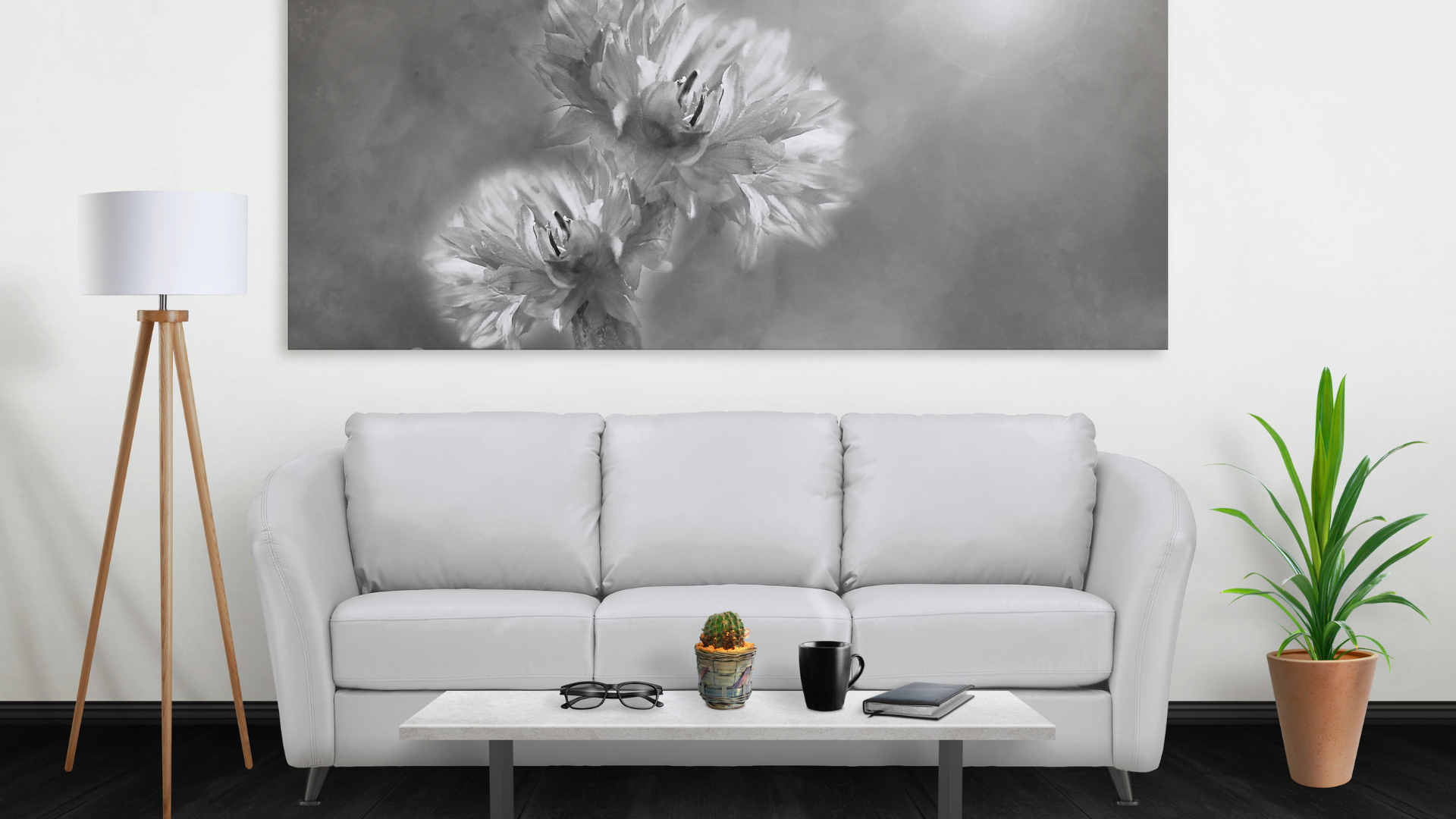
Wall art encompasses various forms of decor that enhance the aesthetics of a space. It can include paintings, prints, photographs, murals, and sculptures.
Many people choose wall art to express personal style or set a specific mood in a room. The right piece can transform a plain wall into a focal point.
Popular Wall Art Styles
- Abstract: Focuses on colors and shapes without representing real objects.
- Photographic: Captures moments, landscapes, or portraits.
- Nature-Inspired: Features elements from the natural world, like landscapes or flora.
- Textile Art: Includes tapestries and fabric-based pieces.
Considerations for Choosing Wall Art
- Size: Large pieces work well on expansive walls; smaller art suits cozy spaces.
- Color Scheme: Art should complement existing colors in the room.
- Theme: Select pieces that reflect the intended style or purpose of the space.
Incorporating wall art can elevate a room’s appeal and create a more inviting atmosphere. Thoughtfully chosen art can resonate with those who enter the space.
Planning Your Wall Art Project
Successful wall art projects require careful consideration of several key factors. From the space available to the budget constraints, each element plays a significant role in shaping the final outcome. When selecting pieces for any room, think about style, scale, color, and how the art complements your existing décor. Reading about art for living room, kitchen, or hall can help you come up with better ideas for selecting and arranging pieces that enhance each space and create a unified look throughout your home.
Choosing the Right Space
Selecting an appropriate location for wall art is crucial. Consider factors such as wall size, lighting, and general aesthetics of the room.
Tips for Space Selection:
- Wall Size: Large walls can handle big pieces or clusters of smaller art. Conversely, smaller areas might be best suited for singular, impactful pieces.
- Lighting: Natural light can enhance colors and details. Ensure the space has suitable lighting or plan for additional fixtures.
- Room Aesthetics: Match the art style with existing décor and furniture. A cohesive look is more inviting and visually appealing.
Assessing Your Skill Level
Understanding one’s own skill level helps in determining the complexity of the project. Beginners might prefer simpler techniques, while advanced artists may want to explore intricate methods.
Skill Level Considerations:
- Beginner: Opt for projects using stencils or pre-made designs. Simple paint techniques or collage approaches can build confidence.
- Intermediate: Experiment with mixed media or larger canvases. This level allows for personal expression while still being manageable.
- Advanced: Take on ambitious projects involving advanced techniques or detailed themes. Mastery of tools and materials will lead to unique artwork.
Setting Your Budget
Establishing a clear budget early on can prevent overspending. It is essential to account for not just materials but also any tools or accessories needed.
Budget Breakdown:
- Materials: Paints, brushes, canvases, and other supplies. Do research to find quality materials that fit financial constraints.
- Tools: Brushes, stencils, and other tools may add to costs. Determine what is necessary for the desired effect.
- Contingency: Set aside a small portion (10-15%) for unexpected expenses. This ensures flexibility in case the project takes a different direction.
Deciding on a Theme
Choosing a theme guides the creative process and results in more cohesive artwork. It should reflect personal interests or the vibe of the space.
Theme Ideas:
- Personal Interests: Projects inspired by favorite landscapes, hobbies, or colors tend to resonate more personally.
- Room Purpose: Tailor themes to match the function of the space, such as calming visuals for bedrooms or vibrant colors for playrooms.
- Trends vs. Timeless: Weigh current design trends against lasting classics. While trends can be fun, timeless art can ensure longevity in style.
With these considerations in mind, a successful wall art project becomes more attainable. Each element, from location to theme, contributes significantly to the overall experience and outcome.
Materials and Tools
Selecting the right materials and tools is crucial for successful wall art projects. The choices made can significantly impact the outcome and aesthetic appeal of the artwork. Below are key categories of materials and tools that are essential for these projects.
Canvas and Paints
Canvas serves as a primary surface for wall art. It is available in different types, including pre-stretched, rolled, and canvas boards. Pre-stretched canvas is popular for its convenience, while rolled canvas allows for custom sizing.
When it comes to paints, artists often choose acrylics for their versatility and quick drying time. Oil paints offer rich colors and texture but require longer drying periods. Watercolors can be used for lighter, more fluid designs.
Consider the following when selecting canvas and paints:
- Size of the artwork
- The texture of the canvas
- Color palette needed
Fabrics and Textiles
Fabrics can add texture and depth to wall art. Cotton, linen, and silk are common choices, each providing a unique finish. Fabrics can be used alone or in combination with traditional paint techniques.
To create fabric art, one can employ techniques such as quilting, weaving, or even embroidery. This approach allows for the incorporation of patterns and designs that paint alone cannot achieve.
Important considerations include:
- Durability of the fabric
- Colorfastness (resistance to fading)
- Ease of attachment to surfaces
Recycled and Upcycled Materials
Using recycled materials not only benefits the environment but also adds unique character to wall art. Items such as cardboard, old newspapers, or reclaimed wood can be transformed into creative designs.
Upcycling offers an artistic challenge and can lead to unexpected results. Examples include turning bottle caps into a mosaic piece or using old furniture parts for a mixed media project.
Key points to note:
- Source materials responsibly
- Clean and prepare items before use
- Adhere to safety practices when dealing with tools
Essential Tools and Equipment
Tools play a vital role in wall art creation. Basic tools include brushes, palette knives, and scissors. Specialty tools may also be required based on the project.
An easel is helpful for painting and can provide better control and comfort. Additionally, having a good-quality adhesive is necessary for attaching various materials securely.
Essential equipment considerations include:
- Cutting tools for accurate shapes
- Adhesives suitable for various surfaces
- Protective gear such as gloves and masks as needed
Choosing the right materials and tools can significantly enhance the artistic process and final presentation of wall art projects.
Techniques and Styles
Various techniques and styles enhance wall art projects. Artists often choose based on the medium they prefer and the desired aesthetic effects. Understanding these different methods can significantly impact the final outcome of artwork.
Painting and Mixed Media
Painting is a timeless technique for wall art, ranging from traditional acrylics to contemporary spray paints. Artists can create vibrant and dynamic visuals using different brush strokes, techniques, and color mixing.
Mixed media combines multiple materials, such as incorporating paint, paper, and found objects. This mixture adds texture and dimension to the artwork. Artists may choose collage elements or use textured mediums like modeling paste for added depth. The versatility of mixed media allows unprecedented creativity in expressing ideas and themes.
Printmaking
Printmaking offers unique possibilities for creating wall art pieces. Techniques such as screen printing, linocut, and woodblock printing enable artists to produce multiple impressions of a single design.
Screen printing involves pushing ink through a mesh screen, which is effective for bold designs and vivid colors. Linocut, a relief printing method, allows for intricate line work and patterns. Artists often use printmaking to produce limited editions, ensuring each piece remains unique while being reproducible.
Textile Arts
Textile arts encompass a broad range of techniques, including weaving, embroidery, and quilting. These methods bring warmth and texture to wall spaces, often resulting in tactile and visually engaging pieces.
Weaving can involve both traditional loom techniques and modern, innovative approaches. Artists might use natural fibers or recycled materials, emphasizing sustainability. Embroidery enhances textile wall art with intricate details and patterns, while quilting allows for storytelling through patchwork. This art form is particularly effective in creating layered visuals.
3D Wall Art
3D wall art blurs the line between sculpture and painting, offering depth and dimension. Artists use materials such as wood, metal, and ceramics to create elevated pieces that can transform a flat wall into an engaging focal point.
Techniques include layering various materials or employing shadow box methods to create depth. Found objects often feature prominently, giving the artwork an eco-friendly aspect. This style invites interaction and stimulates visual interest, pushing the boundaries of traditional wall art.
Step-by-Step Guides
These guides provide a clear pathway for anyone looking to engage in wall art projects. Each guide focuses on practical steps that lead to effective results, whether creating an inviting gallery wall or illuminating a mural.
Creating a Gallery Wall
To create a stunning gallery wall, begin by selecting a cohesive theme or color palette. This ensures a harmonious look.
- Choose a Location: Find a prominent wall that will serve as the focal point.
- Gather Artwork: Collect various pieces, such as paintings, photographs, or prints. Sizes and styles should complement each other.
- Layout Testing: Use painter’s tape to outline the arrangement on the wall. Adjust the layout until satisfied.
- Hanging: Use appropriate wall anchors and nails for different art weights. Hang the pieces, starting from the center and radiating outward.
Step back frequently to ensure visual balance.
DIY Framing and Mounting
Framing artwork enhances its presentation and protects it. Knowing how to approach DIY framing can save costs.
- Select Frame Materials: Decide between wood, metal, or even DIY options, like washi tape.
- Measure and Cut: Accurate measurements are crucial. Cut mats and backboards accordingly.
- Assembly: Place the artwork into the frame. Use clips or points to secure it in place.
- Mounting Tools: Use D-rings or sawtooth hangers for easy wall mounting. Ensure they are securely attached.
Choose frames that complement the artwork for maximum impact.
Incorporating Lighting
Lighting is essential for showcasing wall art effectively. It can enhance details and colors in the artwork.
- Identify Light Source: Decide between ambient, accent, and task lighting. Track lighting or wall sconces work well.
- Positioning: Place lighting at a 30-degree angle to reduce glares. This angle highlights the textures and depths.
- Use Dimmer Switches: Enables adjusting the brightness to suit the mood or time of day.
- Experiment: Change light positions and angles to see which setup highlights the art best.
Consider using LED lights for energy efficiency and longevity.
Mural Painting Basics
Painting a mural transforms a space significantly. It requires careful planning and execution.
- Design Creation: Start with a conceptual sketch. Use software for a digital mock-up if needed.
- Surface Preparation: Clean the wall and fix any imperfections. A primed surface is ideal for paint adherence.
- Choosing Paints: Use high-quality, weather-resistant paints, especially for exterior murals.
- Technique Application: Use brushes, rollers, and spray paint for various effects. Layering colors adds depth and dimension.
Take time to step back and evaluate progress throughout the painting process.
Safety and Precautions
When engaging in wall art projects, safety should always be a priority. Here are some precautions to consider:
- Choose the Right Location: Ensure the workspace is well-ventilated, especially when using sprays or solvents. Check for any hazards, such as mold or unstable surfaces.
- Use Protective Gear: Wear masks, goggles, and gloves as needed. This protects against inhaling fumes or contact with harmful materials.
- Secure Tools and Materials: Keep tools organized and away from walkways to prevent tripping hazards. Use ladders safely by ensuring they are stable and positioned correctly.
- Check Electrical Safety: If working near outlets or using power tools, ensure all electrical components are in good condition. Unplug tools when not in use.
- Be Mindful of Heights: Avoid overreaching when painting or hanging art. It is safer to use a sturdy ladder rather than stretching.
- Know Your Materials: Read labels on paints and adhesives for safety instructions. Some materials may require special handling or disposal methods.
Following these safety measures minimizes risks and enhances the overall experience of creating wall art. Design projects can be enjoyable and safe with the proper precautions in place.
Maintenance and Care
Proper maintenance ensures that wall art remains vibrant and protected. Here are key practices to consider:
- Dust Regularly: Use a soft, dry cloth to gently remove dust. This helps prevent build-up that can dull colors.
- Avoid Direct Sunlight: Positioning art away from direct sunlight protects it from fading. UV rays can damage colors and materials over time.
- Check for Moisture: Keep wall art dry. High humidity can lead to mold and mildew, especially with paper or canvas pieces.
- Handle with Care: When moving or cleaning art, always handle it by the frame or edges. Avoid touching the surface to minimize fingerprints and oils.
- Use Appropriate Cleaners: For framed pieces, dust glass with a glass cleaner. Avoid harsh chemicals that might damage the artwork.
Periodic inspections can help identify any issues early. They may include checking frames for damage or the art for signs of wear.
Maintaining the environment around the artwork contributes significantly to its longevity. Consider using a climate control system to stabilize temperature and humidity levels.
Inspirational Ideas
Creating wall art can be a fulfilling project. Here are some inspirational ideas to ignite creativity:
- Gallery Wall: Combine various picture frames with photos, art pieces, and quotes. Mixing shapes and colors adds visual interest.
- Nature Prints: Use leaves or flowers to make prints. This eco-friendly approach connects indoor decor with the outdoors.
- DIY Canvas Art: Experiment with paint-pouring techniques. This method allows for unique, colorful pieces without the need for advanced painting skills.
- Fabric Wall Hangings: Try weaving or sewing fabric into a tapestry. Textiles can bring warmth and texture to a space.
- Mural Creation: Paint a large mural or section of a wall. This can be an abstract design or a themed piece that brightens the room.
Quotes and Typography: Use stencils to paint motivational quotes. This can inspire positivity and serve as a daily reminder. - Upcycled Materials: Collect items such as old wood or metal to create new artwork. This promotes sustainability while adding a unique touch.
- Photomontage: Create a collage of memorable moments with friends or travels. This personal touch fosters a sense of nostalgia.
Each of these ideas can be adapted to fit any style or preference, making art creation accessible to everyone.
Showcasing Finished Projects
Showcasing finished wall art projects can inspire creativity and provide a platform for artists. It allows viewers to appreciate different styles and techniques.
Methods for Showcasing:
Online Portfolio:
- A professional website can display high-quality images of finished works.
- Include project descriptions and the inspiration behind each piece.
Social Media:
- Platforms like Instagram and Pinterest are effective for sharing visuals.
- Artists should engage with followers through comments and hashtags.
Exhibitions:
- Local galleries and art fairs provide a venue for in-person displays.
- Networking opportunities can lead to collaborations.
Effective Presentation Tips:
- Use natural lighting when photographing wall art to enhance colors.
- Maintain a consistent style across images for a cohesive look.
- Include information such as dimensions, materials used, and the creation process.
Engaging the Audience:
- Encourage feedback from viewers to foster community engagement.
- Host virtual tours or live sessions to discuss creative choices and techniques.
By utilizing these strategies, artists can effectively showcase their finished wall art projects and reach a wider audience.