
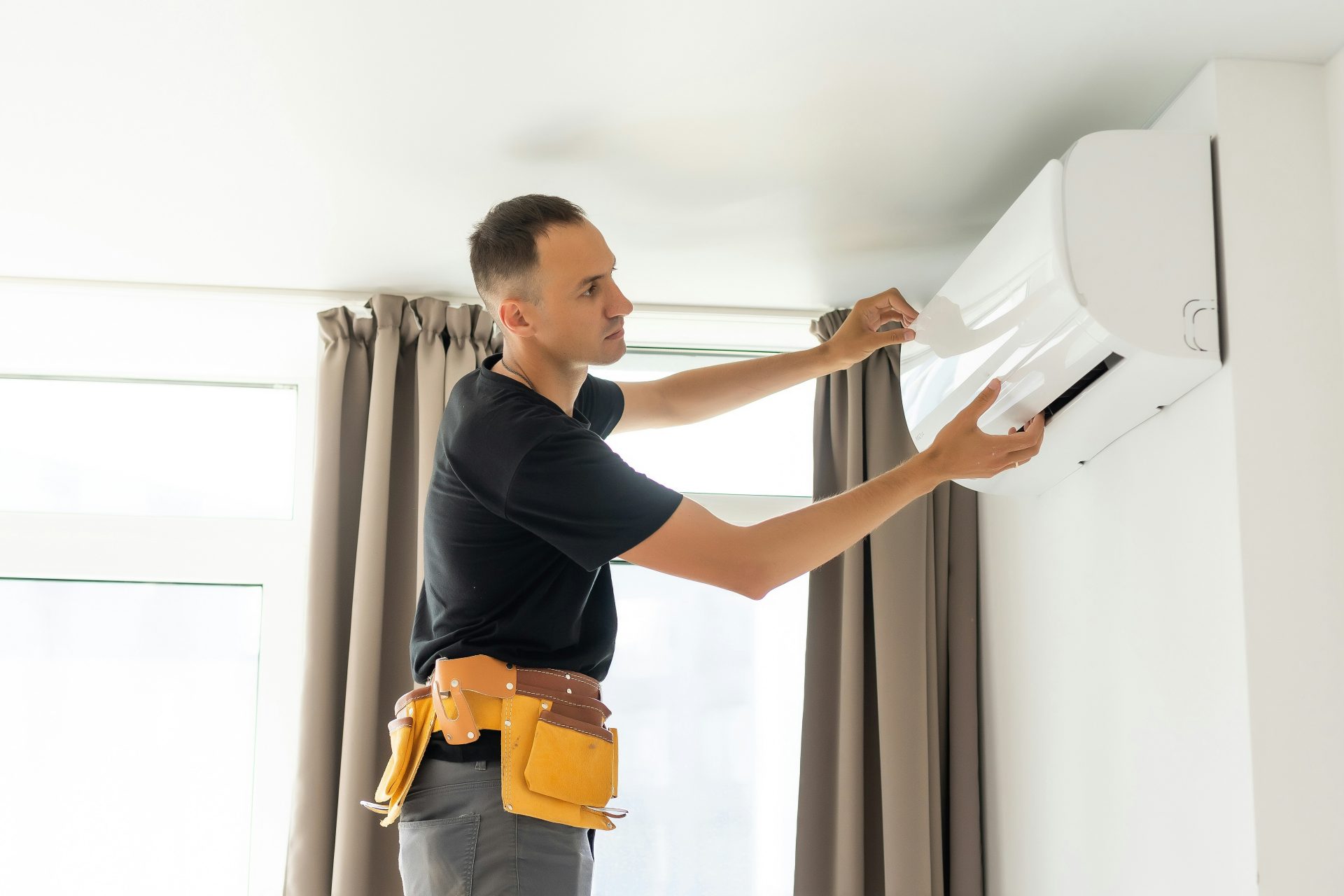
We all want to stretch the life of our air conditioning units for as long as possible. After all, repairs can seem like the more affordable option, and it’s tempting to patch things up and hope for the best. But there comes a point where continuing to fix an ageing or faulty AC just doesn’t make sense-financially or practically. So, how do you know when it’s time to stop repairing and start thinking about replacing?
Repairing Isn’t Always Cheaper in the Long Run
If your AC has broken down once, it’s not necessarily a red flag. Things wear out, and parts fail; it happens. But if you’re calling a technician more than once a season, or the same problem keeps resurfacing, that’s a different story.
Think about it like this: every time you pay for a repair, you’re investing in something that might already be on its way out. It’s worth considering whether that money could be better spent on a new, more efficient system.
A good rule of thumb? If the cost of the repair is more than half the price of a new unit, and your system is over 8–10 years old, it’s probably time to replace and look into air conditioning installation Canberra rather than a repair service.
Your Energy Bills Keep Climbing
Older AC units tend to lose efficiency over time, especially if they haven’t been serviced regularly. If you’ve noticed a steady increase in your power bills and your usage hasn’t changed, your AC could be the culprit.
Even with repairs, older systems often can’t compete with the efficiency of modern units. And if your system still uses outdated refrigerants (like R-22), it may be operating at a disadvantage by design.
So ask yourself:
- Has your AC been working harder to keep your home cool?
- Are your energy bills unusually high for the season?
If yes, upgrading to a newer, energy-efficient model might offer more savings over time than repeated repairs ever could.
It’s Getting Noisier (or Smellier)
An air conditioner that suddenly sounds like a truck, rattles during every cycle, or gives off strange odours is not just annoying-it’s usually a warning sign.
Unusual noises might point to motor problems, loose parts, or failing components. Odd smells? That could indicate mould in the system, burnt-out wiring, or even moisture issues.
While some of these can be fixed, ongoing signs like this often mean your unit is deteriorating. If repairs only offer short-term relief, a replacement might be the smarter option. In such cases, it’s wise to consult a professional, such as a Springfield IL air conditioning service or one closer to home, to evaluate whether continued repairs are worthwhile or if a full system upgrade would be more cost-effective in the long run.
It Struggles to Keep You Comfortable
The job of an AC is simple: cool the space effectively. If it’s running constantly but your rooms still feel warm, or if some areas are cold while others aren’t, your system might not be functioning properly anymore.
This can happen when:
- The system is the wrong size for the home (a common issue in older installations)
- The compressor is starting to fail
- There are duct issues that aren’t worth reworking with an ageing unit
No matter the cause, if the performance is dropping even after multiple service visits, it’s a sign your AC is past its prime.
Your AC Is Over 10–15 Years Old
Most air conditioners are built to last around 10 to 15 years. Past that point, even with good maintenance, the risk of failure climbs significantly.
Once a unit hits this age range:
- Efficiency usually drops
- Repairs become more frequent and costly
- Parts may be harder to source
- It may not meet modern energy or safety standards
You might not notice these changes immediately, but if you’re on year 12 and considering another major repair, it’s time to question whether it’s worth it.
You’re Planning to Stay Put for a While
If you’re thinking about selling or moving soon, it makes sense to consider quick fixes to keep things ticking over. But if you’re settled and planning to stay in your home for the foreseeable future, investing in a new unit could give you peace of mind, better comfort, and energy savings for years to come.
Replacing your AC is exactly that: an investment. And if you plan to enjoy the benefits directly, it often pays off faster than people expect.
Why Replacing Might Feel Like a Bigger Deal Than It Is
There’s no denying that replacing an AC unit involves a higher upfront cost. But when you weigh it against repeat call-outs, rising energy bills, and unreliable performance, the replacement starts to look less like a splurge and more like a strategic decision.
Some people hold off because they’re worried about disruption, or because they’ve been told one more repair “should do it.” That might be true, until the next issue pops up.
New systems are more efficient, quieter, and often come with better warranties. They can also improve your indoor air quality, help reduce humidity, and integrate with smart thermostats or zoning systems.
So, while the sticker price might feel like a hit, the long-term comfort, cost savings, and reliability usually make it worthwhile.
So, What Should You Do?
If you’re unsure whether to repair or replace, ask yourself a few quick questions:
- How old is my current unit?
- Have I spent more than a few hundred dollars on repairs in the past 12 months?
- Am I noticing higher power bills, uneven cooling, or strange noises?
- Do I want more energy efficiency or better comfort?
- Would a new system add value to my home or lifestyle?
If most of your answers lean toward replacement, it’s probably time to stop throwing money at short-term fixes.
Smart Moves for a Cooler Future
Deciding to replace your AC isn’t always easy, but it doesn’t have to be overwhelming either. A clear look at your unit’s age, efficiency, and performance can help make the decision obvious.
By thinking ahead, you’re not just avoiding surprise breakdowns; you’re setting yourself up for better comfort, fewer headaches, and smarter energy use.