Building a DIY garden greenhouse can significantly extend the growing season and protect plants from harsh weather conditions. With the right materials, a clear plan, and a few essential tools, anyone can create a functional greenhouse that enhances their gardening experience. This project not only offers a space for plants to thrive year-round but also provides a rewarding experience for those looking to deepen their gardening skills.
Before starting the construction, it’s important to determine the size and style of the greenhouse that best fits the available space and the types of plants intended for cultivation. Clear plastic sheeting, wood, or metal frames are common choices for materials. Understanding these options will help in making informed decisions and ensure successful growth for various plants.
The process of building a greenhouse can be manageable with careful planning and execution. From selecting a suitable location to understanding ventilation and temperature control, each step contributes to creating an ideal environment for nurturing a variety of plants. This project offers not only practical benefits but also the satisfaction of crafting a personalized gardening space.
Planning Your Greenhouse
Careful planning is essential for building a DIY greenhouse. Considerations include the location, type, and size necessary for optimal plant growth.
Choosing the Right Location
The greenhouse’s location significantly affects its effectiveness. Select a site that receives ample sunlight, ideally 6 to 8 hours daily. Avoid shaded areas from trees or buildings.
Look for well-drained soil to prevent water accumulation. If water tends to pool, consider raised beds or a foundation to lift the structure.
Proximity to water sources and electrical outlets is also crucial. This enhances convenience for irrigation and heating, making maintenance easier in the long run.
Selecting the Greenhouse Type
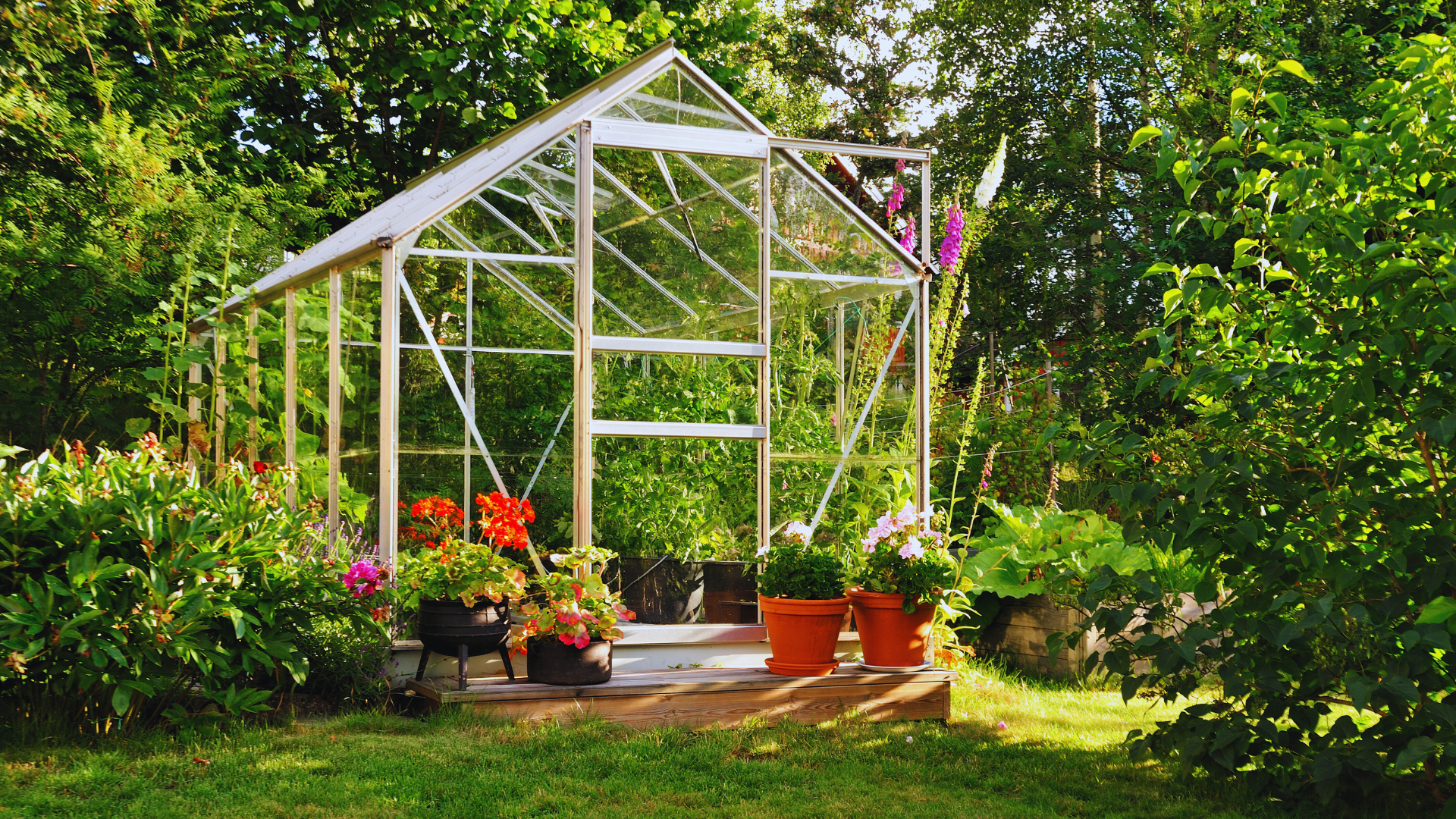
Different greenhouse designs can meet varying needs. Common types include freestanding, lean-to, and hoop houses.
Freestanding greenhouses offer flexibility in placement but require more space. Lean-to greenhouses are attached to an existing structure, optimizing space and reducing costs. Hoop houses are affordable and easy to build, ideal for small projects.
Consider climate factors when choosing a type. Regions with high winds may require sturdier structures, while locations with mild winters may benefit from simpler designs.
Determining Size and Space Requirements
The size of the greenhouse should align with the intended use. A small greenhouse may suffice for hobby gardeners, while larger ones accommodate extensive planting.
Calculate space based on expected plant types and their growth requirements. For example, taller plants need more vertical space, while rows of trays require strategic layout to ensure accessibility.
Evaluate how much room is available and whether future expansion is a consideration. Creating a design layout can help visualize the space and ensure the best use of the area while allowing for ease of movement and maintenance tasks.
Materials and Tools
Building a DIY garden greenhouse requires careful selection of materials and tools to ensure durability and functionality. The right choices will enhance the greenhouse’s effectiveness in supporting plant growth.
Selecting Frame Materials
The frame forms the structure of the greenhouse. Common options include PVC pipe, wood, and metal. PVC is lightweight, affordable, and resistant to decay, but it may lack durability compared to metal.
For those seeking a sturdier option, galvanized steel or aluminum frames provide excellent longevity and strength. They might come at a higher price point, but can withstand harsh weather. Wooden frames, like treated lumber, can offer a natural aesthetic and solid support but require regular maintenance to prevent rot.
Ultimately, the chosen frame material should match the local climate and the gardener’s budget.
Choosing Covering Materials
Covering materials protect plants while allowing light to penetrate. Polyethylene sheeting is a common choice, known for its affordability and effectiveness in light transmission; however, it may need replacement every few years.
For greater durability, polycarbonate panels are a superior option but at a higher cost. They offer more insulation and UV protection. Acrylic sheets are another alternative, providing similar benefits with superior clarity, but can be more expensive.
Using the right covering material plays a crucial role in maintaining an optimal environment for plant growth.
Gathering Necessary Tools
Essential tools simplify the greenhouse construction process. A standard toolkit should include:
- Measuring Tape: For accurate measurements of materials.
- Saw: Depending on the frame material, one may need a PVC cutter, handsaw, or power saw.
- Drill: For connecting parts and securing the frame.
- Level: Ensures the frame is even and stable.
- Safety Gear: Gloves and goggles for protection during construction.
Having a comprehensive set of tools not only eases the building process but also enhances safety and efficiency. Proper preparation leads to a smoother construction experience.
Greenhouse Construction
Constructing a greenhouse involves careful planning and execution. Key aspects include establishing a sturdy foundation, framing, and ensuring proper ventilation.
Building the Foundation and Frame
A solid foundation is essential for a durable greenhouse. Options include concrete pads, gravel, or treated lumber bases. It’s important to choose a level area that provides sunlight and drainage.
The frame can be constructed using wood, PVC, or metal. Wooden frames are common due to their strength and ease of use. Metal frames offer additional longevity. It’s crucial to secure all joints with screws or brackets for stability.
End walls can be built using plywood or polycarbonate panels. Selecting durable materials will enhance the greenhouse’s lifespan and functionality.
Adding Doors and Ventilation
Proper ventilation is essential for controlling temperature and humidity. The greenhouse should have at least one door for easy access and airflow.
Consider using sliding or hinged doors, depending on space and convenience. Strategically placed windows can enhance ventilation. Roof vents or louvered side vents facilitate heat escape during hot days.
Incorporating these features ensures plants receive adequate air circulation and reduces the risk of disease.
Attaching the Covering
The covering material significantly influences the greenhouse’s effectiveness. Options include glass, plastic sheeting, and polycarbonate panels.
Glass provides excellent light transmission but is heavier and more expensive. Plastic sheeting is lightweight and cost-effective but may need replacement after a few years. Polycarbonate panels offer durability and insulation while allowing light penetration.
Ensure the covering is attached securely to prevent leaks or drafts. It’s advisable to use clips or wooden battens for a tight fit. Inspect regularly for wear and damage to maintain a conducive environment for growth.
Planting and Maintenance
Successful planting and maintenance of a DIY garden greenhouse involves preparing for planting, managing environmental conditions, and ongoing care for plants. Proper attention to these details ensures a thriving garden, particularly for vegetables like tomatoes.
Preparing for Planting
Before planting, it’s essential to prepare the greenhouse environment. Start by ensuring that the soil is rich in nutrients. Incorporate organic matter such as compost or aged manure to enhance soil quality.
Select appropriate seeds or seedlings based on the growing season. Fast-growing vegetables can be started indoors and later transplanted. For instance, tomatoes should be started about 6-8 weeks before the last frost.
Treat the growing area with a natural pesticide as a preventive measure. This step can help protect the young plants from pests and diseases that often thrive in greenhouse environments.
Controlling Temperature and Humidity
Temperature and humidity are critical for plant growth. The ideal temperature for most vegetables ranges from 70°F to 85°F during the day and slightly cooler at night.
Proper ventilation is necessary to maintain these conditions. Open vents or doors on warm days to allow cool air to circulate. Consider adding a small fan for better air movement.
Using a heat source in colder seasons can extend the growing season. For a mini greenhouse, heating mats under seed trays can effectively maintain optimal root temperatures, benefiting seed germination and plant health.
Ongoing Care and Considerations
Keep an eye out for any signs of pest infestations or diseases; early intervention is crucial, whether it involves physical removal or the application of organic treatments, often aided by sophisticated integrated pest management software. Regularly check for yellowing leaves or stunted growth, which can indicate underlying issues.
Fertilization is another key aspect. Use a balanced fertilizer to support vegetable growth, following the package instructions for dosage.
Ongoing care also involves regular monitoring of plants. Watering should be consistent, ensuring that the soil remains moist but not soggy. Avoid over-watering, which can lead to root rot.