Teaching kids responsibility starts with clear expectations and consistent routines. Children learn best when they understand what is expected of them and when their tasks are introduced gradually.
The best ways to teach responsibility include assigning age-appropriate chores, encouraging accountability for actions, and modeling responsible behavior. These methods build habits that help children develop independence and self-discipline.
Involving kids in decision-making and reflecting on consequences also promotes a deeper understanding of responsibility. This approach helps them see the value of their efforts in real-life situations.
Understanding Responsibility in Children
Responsibility in children involves awareness of their duties and the ability to follow through with tasks. It develops gradually and faces typical challenges that caregivers should anticipate and manage.
What Responsibility Means for Kids
For children, responsibility is linked to understanding the effects of their actions. It starts with simple tasks like putting away toys and grows to include managing schoolwork and personal hygiene.
Children learn responsibility by accepting consequences. Positive reinforcement helps strengthen this behavior. They also need clear expectations, which make responsibilities easier to grasp and follow consistently.
Teaching responsibility means encouraging independence while providing support. Children gain confidence when they complete tasks on their own, fostering a sense of pride and ownership.
Key Stages of Developing Responsibility
Responsibility evolves through distinct phases based on age and maturity. Early childhood focuses on basic self-care and following rules. School-age children handle more complex chores and time management.
Adolescents begin making decisions that affect their social and academic lives, requiring guidance on accountability. At this stage, collaboration between adults and children becomes important for developing critical thinking.
It’s important to match tasks with the child’s current abilities. Overloading responsibilities too soon can lead to frustration, while gradual increases build competence effectively.
Common Challenges in Teaching Responsibility
Resistance to chores or tasks is common and often stems from a lack of motivation or understanding. Children may test limits or avoid tasks to seek attention or delay discomfort.
Lack of consistency from adults can confuse children about expectations. Mixed messages delay the learning process and hinder the formation of habits.
Setting realistic goals and maintaining patience are essential. Effective strategies include breaking tasks into smaller steps and offering praise for effort rather than perfection.
Modeling Responsible Behavior
Children learn responsibility primarily through observation. Demonstrating accountability, reliability, and thoughtful decision-making in daily life provides a clear framework for kids to emulate. Emphasizing communication and routine helps solidify these behaviors in practical ways.
Setting Positive Examples at Home
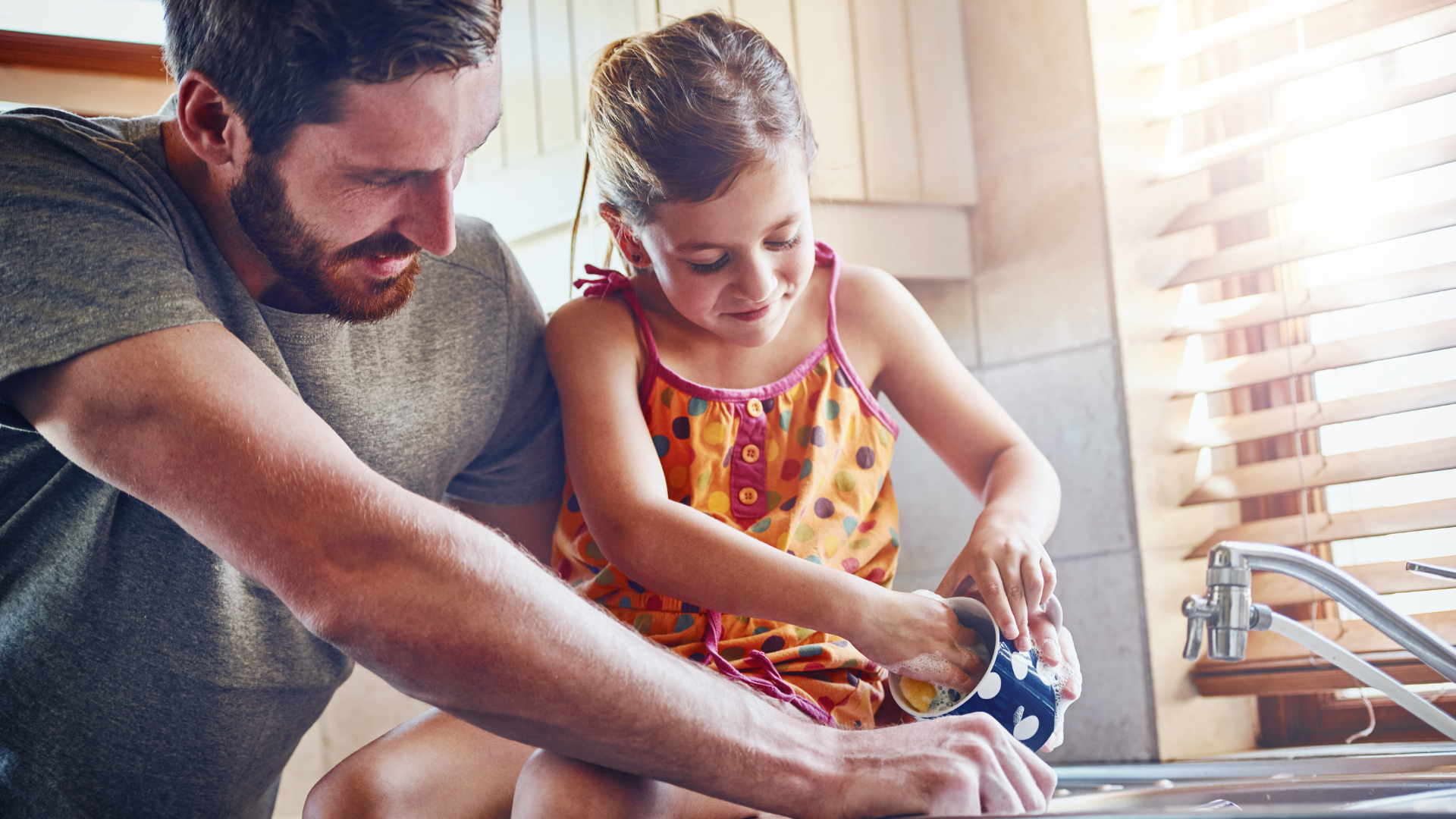
Parents and caregivers act as the most immediate role models for children. Showing punctuality, meeting commitments, and managing tasks efficiently creates a living lesson in responsibility. For example, completing household chores without being reminded reinforces the value of follow-through.
Admitting mistakes openly and demonstrating how to fix them teaches accountability. This honesty encourages children to take ownership of their actions rather than avoid consequences. A home environment where respect for rules and obligations is practiced consistently fosters a strong sense of duty.
Communicating Personal Accountability
Clear, age-appropriate communication about responsibilities helps children understand expectations. Explaining why tasks matter and linking them to family values makes responsibility meaningful. Avoid vague directives; instead, use specific instructions like, “Please put your shoes away to keep the house tidy.”
Discussing the outcomes of responsible or irresponsible behavior builds awareness. Encourage children to reflect on how their choices affect themselves and others. This dialogue supports critical thinking and a deeper grasp of accountability beyond surface-level compliance.
Consistency in Daily Routines
Regular routines teach children to manage time and tasks independently. Establishing set times for homework, chores, and bedtime cultivates discipline. When routines are consistent, kids recognize their role in maintaining structure.
Use tools like checklists or calendars to track responsibilities visually. This practice encourages self-monitoring and fosters a sense of achievement. Inconsistency in enforcement or scheduling can confuse children and undermine lessons about responsibility.
Age-Appropriate Tasks and Chores
Assigning tasks based on a child’s developmental stage ensures they learn responsibility effectively without feeling overwhelmed or under-challenged. Tasks should match their physical ability, attention span, and understanding.
Choosing Tasks for Different Age Groups
Younger children (ages 2-5) can start with simple tasks like putting toys away or matching socks. These activities build basic accountability and motor skills.
For children 6-9, add chores like setting the table, feeding pets, or watering plants. These require following instructions and introduce the idea of contributing to the household.
Preteens (10-12) can handle more detailed tasks such as making their own bed daily, helping with laundry, or preparing simple snacks. These chores encourage independence and routine.
Incrementally Increasing Complexity
Start with clear, easy-to-understand steps for each task. Gradually increase expectations to avoid frustration or burnout. For instance, a young child might pick up toys, then later organize books by size.
Track progress and allow children to master one level before moving to the next. Complex tasks, like cooking or yard work, can be broken down into stages so kids gain confidence and skill over time.
This incremental approach helps children feel successful and motivated rather than pressured by unrealistic demands.
Making Chores Engaging
Turn chores into games or challenges to maintain interest. Use timers to race against or reward charts to mark accomplishments.
Incorporate choices to make children feel involved, like selecting which room to clean or what pet care task to do. Praise and specific feedback reinforce positive behavior.
Changing tasks periodically prevents boredom. For example, rotate responsibilities weekly to expose children to a variety of skills and keep commitment high.
Effective Strategies for Building Responsibility
Teaching responsibility involves setting clear rules, understanding consequences, and recognizing positive behaviors. These steps help children learn accountability in practical ways.
Establishing Clear Expectations
Children need to know exactly what is expected of them. Clearly defined responsibilities, such as daily chores or homework routines, create structure.
Use simple, specific language when explaining tasks. For example, instead of saying “keep your room clean,” specify “put your toys in the bin and make your bed every morning.”
Write down the expectations and review them regularly. Visual reminders help kids stay on track and reduce confusion or misunderstandings.
Consistency is key. When rules and expectations are steady, children feel secure and understand the importance of following through.
Allowing Natural Consequences
Natural consequences let children experience the results of their actions without unnecessary intervention. For example, if they forget their lunch, they might feel hungry at school.
This method helps kids connect cause and effect, promoting learning through real-life experience rather than punishment.
Parents should ensure consequences are safe and appropriate, but avoid stepping in too quickly to “fix” the situation.
Discuss the outcome afterward. Encouraging reflection helps children understand why responsibility matters and how to make better choices next time.
Providing Positive Reinforcement
Acknowledging responsible behaviors encourages children to repeat those actions. Praise should be specific, such as “I appreciate how you finished your homework before dinner.”
Use rewards like stickers, extra playtime, or a special activity to motivate younger kids. For older children, privileges like screen time can be effective.
Positive reinforcement builds self-esteem and reinforces the value of responsibility without relying solely on corrective measures.
Balance praise with realistic expectations to maintain motivation and avoid creating entitlement.
Teaching Accountability and Decision-Making
Children learn responsibility by experiencing the consequences of their choices and understanding the balance between independence and guidance. Providing them opportunities to make decisions, reflect on results, and receive support helps develop accountability and better judgment.
Letting Kids Make Choices
Allowing children to make age-appropriate choices builds confidence and a sense of control. Start with simple decisions, like selecting clothes or snacks, then gradually increase complexity, such as planning their homework time.
Choices teach cause and effect. When kids pick for themselves, they also face the outcomes. This process encourages ownership of their actions.
Parents should set clear limits but avoid micromanaging. Offering options rather than directives empowers kids and fosters decision-making skills essential for responsibility.
Encouraging Reflection on Outcomes
After a choice is made, guiding children to evaluate the results strengthens accountability. Ask questions like “What happened after you chose that?” or “Would you do the same next time?” to prompt critical thinking.
Reflection helps kids understand the link between actions and consequences. It teaches them to learn from mistakes and successes alike.
This practice should be regular but supportive, avoiding blame. It encourages honest assessment and growth in personal judgment.
Balancing Freedom with Guidance
Finding the right mix of independence and parental support ensures safe decision-making. Too much freedom without boundaries can lead to poor choices. Too much control can stifle autonomy.
Set clear expectations and explain the reasons behind the rules. Stay available for advice, but let kids solve problems on their own first.
Use gradual release: increase freedom as children prove readiness. This balance teaches responsibility while protecting their well-being.
Using Tools and Resources
Providing structured tools helps children understand and track their responsibilities clearly. Different methods like charts, journals, and games can reinforce good habits by making tasks tangible and engaging.
Visual Charts and Trackers
Visual charts and trackers use images and simple layouts to display daily or weekly responsibilities. These tools make duties visible, encouraging kids to take ownership.
Use checklists with stickers or magnets to mark completed tasks. This immediate feedback motivates ongoing participation. It also simplifies communication between parents and children about expectations.
Examples include chore charts with sections for feeding pets, homework, and room cleaning. Tracking progress visually helps build consistency. Adjust the charts as children grow, or their duties change.
Responsibility Journals
Journals encourage reflection on tasks and feelings associated with responsibility. Kids write or draw about daily experiences, fostering awareness of their actions.
This tool promotes accountability and personal growth through regular documentation. Parents can review entries to guide discussions about successes and challenges.
Journals are flexible: they can be structured with prompts or be open-ended. Prompt examples: “What did I do well today?” or “What could I improve?” This aids in developing both language skills and self-discipline.
Educational Games
Educational games offer interactive ways to learn responsibility through play. They simulate real-life scenarios where children make choices and see consequences.
Board games and apps focused on chores or budgeting teach planning and time management. These formats increase engagement and deepen understanding by turning abstract concepts into practical tasks.
Select games appropriate for age and skill level. Games that reward cooperative behavior also encourage teamwork and empathy alongside responsibility skills.
Involving the Whole Family
Getting everyone on the same page encourages consistent habits and shared accountability. Effective communication and equal participation create a supportive environment where children learn responsibility naturally.
Family Meetings for Task Planning
Regular family meetings establish a formal time to discuss chores and responsibilities. During these meetings, each member, including children, can express preferences for tasks and understand expectations clearly.
Use a rotating schedule to assign duties fairly. Document agreed tasks on a whiteboard or shared digital calendar to track progress and deadlines. This visibility keeps responsibility tangible and measurable.
Encourage children to suggest solutions for managing their tasks or balancing workloads. This involvement boosts their sense of ownership and decision-making skills.
Shared Responsibility Projects
Engaging the family in collective projects offers practical lessons in teamwork and accountability. Examples include gardening, preparing meals, or organizing community clean-ups.
Define roles clearly within these projects so each person knows their contribution. Rotate roles to develop diverse skills and prevent task fatigue.
Tracking milestones and celebrating progress together reinforces commitment. These shared experiences emphasize that responsibility benefits everyone and strengthens family bonds.
Addressing Setbacks and Growth
Teaching kids responsibility often involves encountering obstacles and setbacks. Recognizing these challenges and continuing to support steady progress helps foster lasting growth in their habits and skills.
Troubleshooting Common Obstacles
Children may resist responsible tasks due to boredom, confusion, or feeling overwhelmed. To address this, break down tasks into smaller, manageable steps. Use visuals like checklists or charts to clarify expectations and track progress.
When mistakes happen, avoid punishment. Instead, discuss what went wrong and how to improve next time. This reinforces learning rather than fear of failure. Consistency in routines also minimizes confusion and helps build good habits.
Supporting Ongoing Progress
Encouragement is vital to maintaining motivation. Praise specific efforts, such as completing chores on time or remembering supplies for school, rather than vague compliments.
Set new goals as skills develop to keep kids engaged. Use regular check-ins to review achievements and challenges. Adjust responsibilities based on a child’s age and capabilities to ensure they remain appropriate and achievable.
Fostering Lifelong Responsible Habits
Consistency is key to developing responsible behavior in children. Establishing daily routines helps kids understand expectations and build accountability over time.
Encourage children to set personal goals. This practice promotes ownership of their actions and decisions.
Use positive reinforcement to motivate responsible choices. Praise specific behaviors like completing tasks or keeping promises, rather than general compliments.
| Habit | Description | Example |
| Time Management | Teaching kids to plan and use time wisely | Creating a homework schedule |
| Task Completion | Following through on assigned responsibilities | Cleaning their room regularly |
| Decision Making | Considering consequences before acting | Choosing between activities wisely |
Teaching problem-solving skills fosters independence. When children learn to analyze situations and find solutions, they become more confident in handling responsibilities.
Model responsibility in everyday life. Children learn by observing adults, so demonstrating accountability in your actions is crucial.
Encourage reflection on actions and outcomes. Asking questions like “What went well?” or “What could be improved?” helps kids internalize lessons.
By integrating these habits early, children develop a strong foundation for responsible behavior that lasts into adulthood.