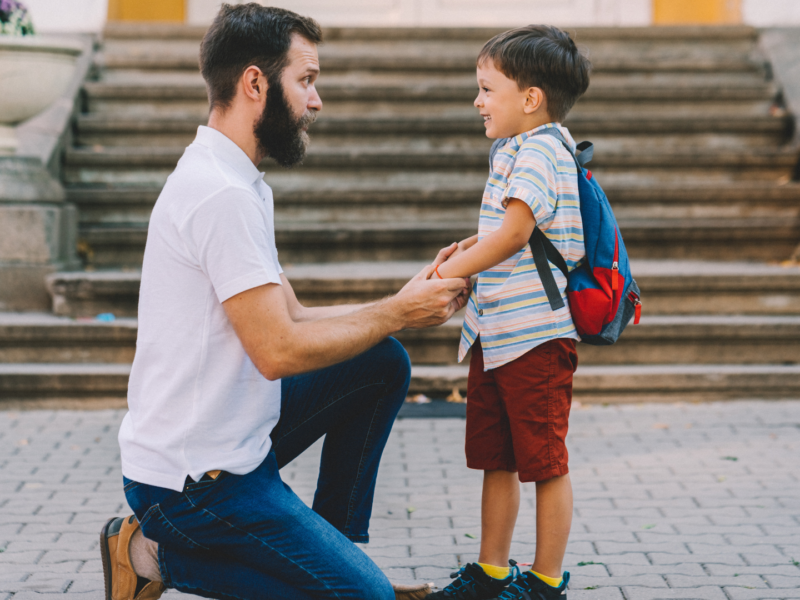

Raising children who are kind and empathetic is a vital aspect of parenting that shapes their character and influences their interactions with others. Teaching empathy can begin at a young age through modeling compassionate behavior and encouraging open conversations about feelings. Parents play a crucial role in helping children understand their emotions and the emotions of those around them.
Integrating kindness into daily routines fosters emotional intelligence. Simple acts, such as volunteering as a family or discussing stories that highlight diverse perspectives, can cultivate a culture of empathy in the home. Encouraging children to express their thoughts and feelings openly promotes understanding and connection with others.
Ultimately, the goal is to create an environment where kindness is not just encouraged but expected. By reinforcing these values consistently, parents can help nurture compassionate individuals who are well-equipped to navigate their social world with empathy and respect.
Understanding Empathy and Kindness
Empathy and kindness are critical traits that contribute significantly to a child’s emotional and social development. Developing these qualities helps children understand others’ feelings and build meaningful relationships.
The Importance of Empathy in Child Development
Empathy is the ability to recognize, understand, and share the feelings of others. It plays a vital role in child development by fostering emotional intelligence.
Children who develop empathy are often better equipped to form strong friendships. They can interpret social cues and respond appropriately in various situations.
A key component of empathy is the “theory of mind.” This concept refers to the ability to attribute mental states—like beliefs, desires, and intentions—to oneself and others. When children grasp this, they become more sensitive to others’ emotions.
Empathy also encourages prosocial behavior, such as helping and sharing. As a result, empathetic children are less likely to engage in bullying and more likely to advocate for others in need.
Defining Kindness and Compassion
Kindness involves acts of generosity, thoughtfulness, and care towards others. It can manifest in simple gestures like sharing toys or offering a helping hand.
Compassion goes a step further. It combines empathy with a desire to alleviate the suffering of others. This deeper understanding motivates children to take action, such as comforting a friend in distress.
Teaching kindness and compassion is essential for fostering a positive environment. Children who practice these behaviors create supportive relationships and promote inclusivity.
Regular discussion of these values in everyday situations helps reinforce their importance. Parents can model kindness through their actions, encouraging children to act similarly.
By instilling these principles, caregivers lay the groundwork for a more compassionate society.
Parents’ Role in Raising Empathetic Children
Parents significantly influence their children’s development of empathy and kindness. By actively engaging in specific behaviors and fostering the right environment, they can encourage their children to become understanding and compassionate individuals.
Modeling Empathy and Kind Behavior
Parents should actively demonstrate empathetic behavior in daily interactions. This includes showing concern for others’ feelings and responding appropriately. When a child observes a parent comforting a friend or helping a neighbor, they learn that kindness is valuable.
Practicing active listening is also essential. Parents can acknowledge their children’s feelings and validate their experiences. This behavior teaches children the importance of recognizing emotions in themselves and others, creating a foundation for empathetic responses.
Children often imitate the attitudes and actions of their parents. When they see their parents showing compassion, they are more likely to replicate these behaviors in their own lives.
Encouraging Emotional Intelligence
Emotional intelligence is crucial for developing empathy. Parents can nurture this skill by discussing feelings openly. Using age-appropriate language, they can guide children in identifying their emotions and those of others.
Parents can incorporate activities like role-playing to help children understand different perspectives. For example, they might ask their child how they would feel in a particular situation, fostering deeper understanding.
Encouraging reflection on emotional responses is also beneficial. Parents can prompt discussions about how actions affect others, leading children to consider the impact of their behavior more thoughtfully.
Fostering Positive Relationships
Building strong, supportive relationships within the family promotes empathy. Regular family activities can strengthen bonds and create a sense of belonging. Sharing experiences allows children to practice empathy in a safe environment.
Additionally, encouraging friendships outside the family is critical. Parents should promote healthy interactions with peers, guiding children on how to resolve conflicts peacefully and support one another.
Teaching respect for diversity enhances understanding of different experiences. Parents can expose children to diverse backgrounds through community events or literature, broadening their perspectives. This awareness is fundamental in cultivating empathetic attitudes.
Practical Strategies for Teaching Kindness
Teaching kindness involves consistent actions and open discussions that foster empathy. Engaging in daily activities and utilizing books effectively can instill the values of compassion and understanding in children.
Daily Activities to Teach Empathy
Incorporating kindness into daily routines can create a lasting impact. Parents can encourage children to participate in simple, meaningful acts such as helping a neighbor or sharing with a sibling.
Example Activities:
- Random Acts of Kindness: Encourage children to perform one kind act each day, like complimenting someone or making a card for a friend.
- Volunteer Together: Involve children in community service projects, teaching them about giving back and showing care for others.
These activities provide real-life opportunities for children to practice empathy, helping them recognize the feelings of those around them.
Using Books to Discuss Kindness
Books can serve as powerful tools to initiate conversations about kindness. Selecting stories with themes of empathy allows children to explore different perspectives and moral lessons.
Recommended Books:
- Have You Filled a Bucket Today? by Carol McCloud
- The Kindness Book by Todd Parr
While reading, parents can ask open-ended questions about the characters’ actions and feelings. This encourages children to think critically about kindness and how they can apply these lessons in their own lives. Engaging with literature can deepen their understanding of empathy and inspire them to act kindly in various situations.