
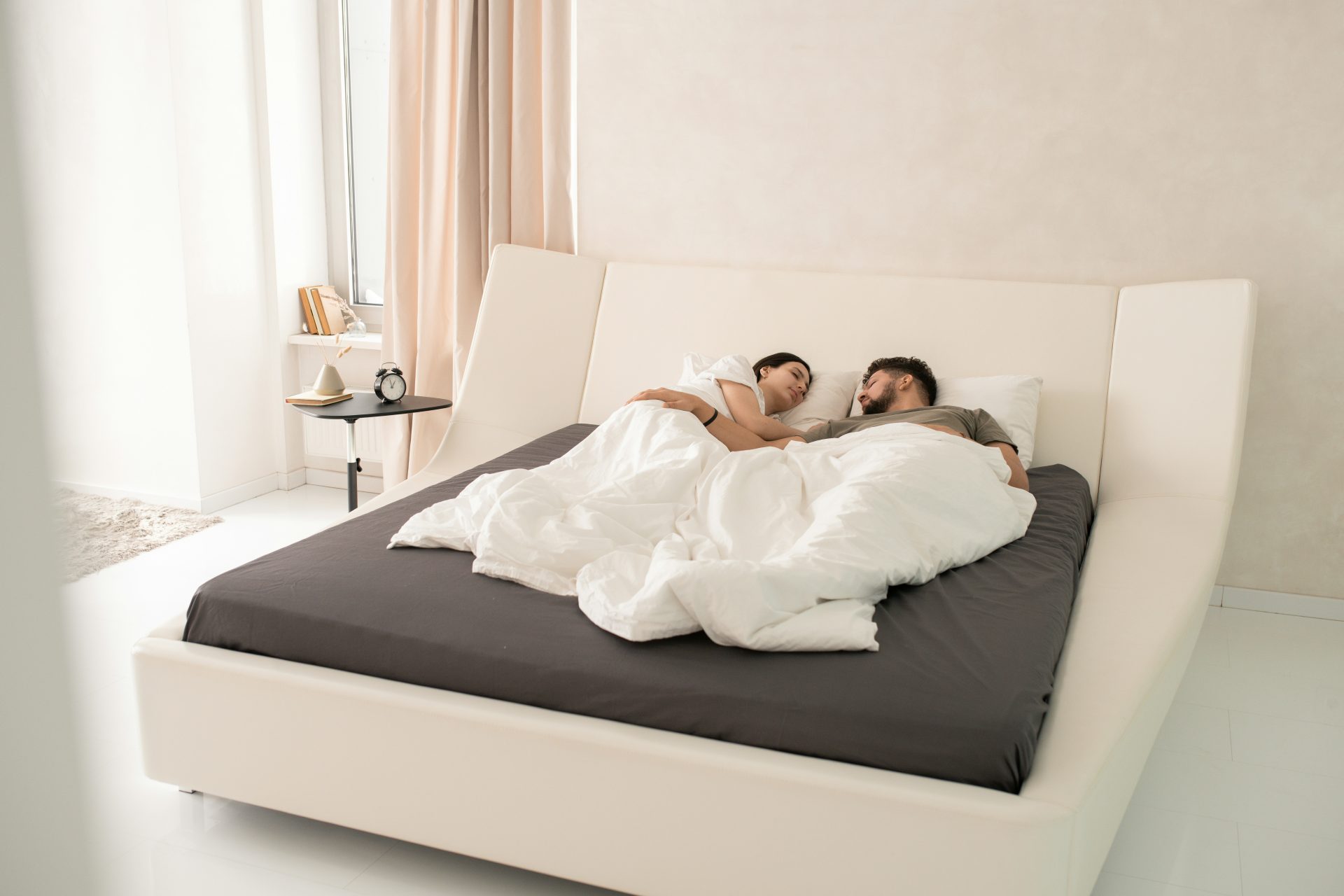
What if the way you sleep is quietly affecting everything from how your back feels to how focused you are during the day?
The average person spends nearly a third of their life in bed. That’s a long time to be in the same position night after night. And if that position isn’t doing your spine or muscles any favours, it might be time to look beyond the mattress. Adjustable bed frames, once thought of as something only used in hospitals or aged care, are now becoming popular in homes for a good reason. They offer more control, better comfort, and can genuinely change how your body feels during the night and all day after.
What Is an Adjustable Bed Frame?
An adjustable bed frame is a base that lets you change the angle of the head, the feet, or both. This means you’re not locked into lying flat. You can elevate your legs, lift your head, or create a gentle incline throughout your whole body.
Most models use electric motors to do the adjusting, and once you’ve found the right position, you simply stop. It’s about comfort, yes, but also support. And once you experience sleeping with that kind of flexibility, it can be hard to go back to a traditional flat bed.
Why Your Sleeping Position Matters More Than You Think
Sleeping flat might seem natural, but it doesn’t work for everyone. Some people wake up stiff. Others toss and turn, trying to get comfortable. And many simply accept poor sleep and back pain as part of life.
That’s where posture comes in.
When your spine is in alignment, the muscles around it don’t have to overcompensate. Your joints get a break, your circulation improves, and your body can rest properly. Adjustable bed frames let you find a position that supports your natural curve, not one that works against it.
A better sleeping position can also:
- Reduce lower back pressure – Raising your legs slightly can take stress off your lumbar spine.
- Open up your airways – Elevating the head can help those with mild snoring or breathing issues.
- Ease joint pain – Adjusting pressure points can relieve hips, knees, and shoulders.
- Support digestion – Sleeping on a slight incline may help reduce acid reflux or heartburn.
- Improve blood flow – Elevating your legs can support circulation, especially after long days of standing or sitting.
Posture and Sleep Are Linked – Here’s How
Poor posture during the day and poor posture during sleep are often connected. If your body never gets a break, it can’t reset. Over time, this leads to chronic discomfort.
Think about the curve of your spine. It’s shaped like an S. A completely flat bed doesn’t support that shape very well. You either end up with your lower back unsupported or your neck propped up on too many pillows.
With an adjustable frame, you can keep your spine aligned from head to hips, reduce tension in the neck by adjusting the head angle, and let your muscles truly relax by removing unnecessary pressure points.
This kind of support promotes proper posture even after you get out of bed.
Long-Term Effects of Poor Sleep and Poor Support
Let’s be honest. A few nights of bad sleep is annoying. A few years of it can be life-altering.
Poor sleep has been linked to:
- Reduced cognitive function
- Weakened immune system
- Increased risk of chronic pain
- Higher stress and anxiety levels
- Decreased focus and energy
Add poor physical support to the mix, and you’ve got a recipe for long-term health issues. An unsupported spine can affect your posture while sitting, standing, and walking. Your muscles have to work harder to compensate. Eventually, that tension shows up in your day-to-day life.
By adjusting your bed, you’re not just making your nights more comfortable. You’re investing in better health, better posture, and a body that performs better all day long.
Who Benefits Most from Adjustable Beds?
While anyone can enjoy better support and custom comfort, some people notice the change even more. If you fall into any of these groups, it might be worth considering:
- People with back pain – Targeted support can ease pressure in the lower spine.
- Side sleepers – Raising the upper body slightly may ease shoulder compression.
- Those with circulation issues – Elevating the legs can assist with fluid retention.
- People with reflux or snoring – Slight elevation at the head may help open airways.
- Seniors or those recovering from injury – Being able to sit up more easily or adjust positions can make a big difference in mobility and recovery.
Even if you don’t have a medical reason, being able to read, watch TV, or just relax in a supportive position without stacking up pillows can be a simple upgrade in comfort.
Finding the Right Angle
There’s no single “best” sleeping position for everyone. But adjustable frames give you options, and options lead to better sleep.
Some of the most common positions people use:
- Zero gravity – A position that mimics weightlessness, relieving pressure from key joints.
- Head elevated only – Ideal for snoring or minor breathing issues.
- Legs elevated only – Helps those with swelling, varicose veins, or tired legs.
- Both head and foot elevated – Creates a gentle cradle that supports the spine and hips.
It’s all about experimentation. Start with small adjustments. Notice how your body feels in the morning. Tweak as needed.
Is It Worth the Investment?
A bed frame might not seem like something that can change your life. But when you think about how much time you spend in bed, and how many health issues are linked to sleep and posture, it starts to look less like a luxury and more like a necessity.
Many people spend time and money trying to fix symptoms like headaches, back pain, or poor focus without realising sleep could be the missing piece. A supportive sleep setup won’t fix everything, but it lays a foundation for real improvement.
How to Know if It’s Time for a Change
Ask yourself:
Do you wake up feeling stiff or sore?
Do you find it hard to get comfortable in bed?
Do you rely on extra pillows to sleep well?
Do you feel tired, even after a full night’s sleep?
If any of those sound familiar, an adjustable frame could offer real benefits. It’s not about adding gadgets to your life. It’s about adjusting to what your body actually needs.
Wake Up Feeling Different
Good sleep isn’t a luxury. It’s something your body needs to function well. And it’s one of the simplest changes you can make to support your spine, posture, and overall health.
An adjustable bed frame gives you control. You’re not stuck lying flat. You’re not forcing your body into a position it doesn’t like. Instead, you’re giving it the support it needs, every night.
Once your sleep improves, everything else has a better chance to follow. Better sleep. Better posture. Better you.