
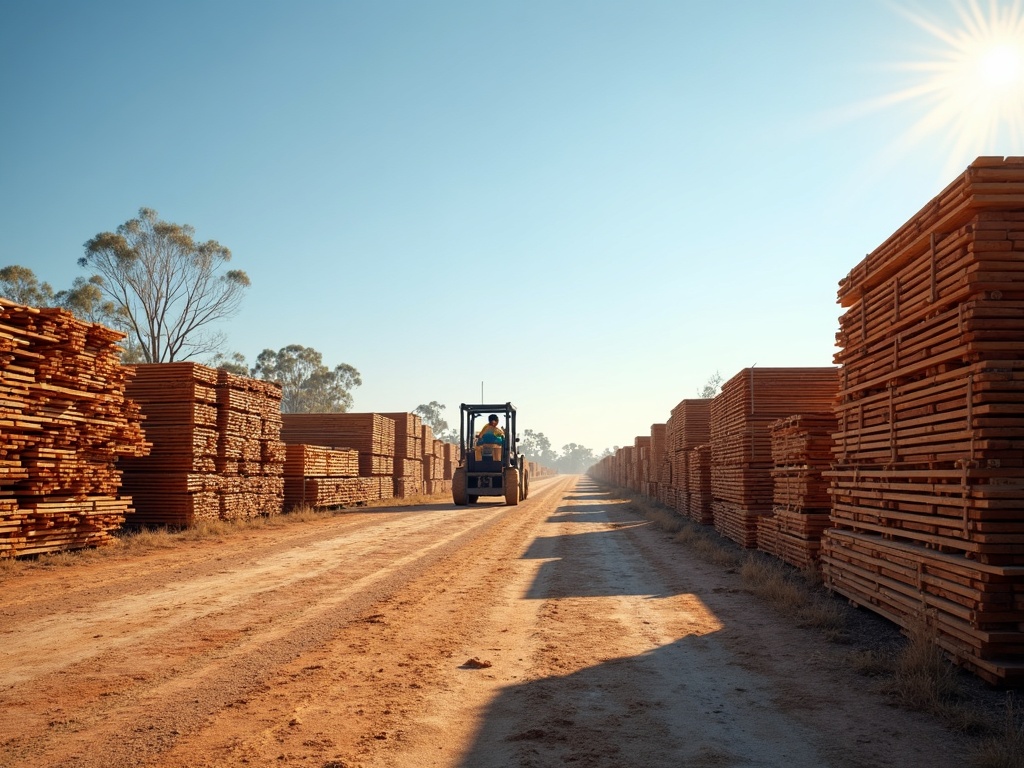
How to Source High-Quality Materials for Your Next Outdoor Project
Most mistakes on outdoor projects actually occur in-store, not on-site. Someone selects timber based on price or simply what’s available, constructs something that looks rugged and durable, then stands back to watch it split, rot, or warp within a couple of years. The solution isn’t better carpentry, it’s simply making sure the right materials are in the back of the Ute before any cutting happens.
That means first coming to grips with the concept of durability classes. Timber is rated from Class 1 to 4, with this rank dependent on how long it survives when in weather-exposed and in-ground contact. Class 1 and 2 timber species, durable, high-density, naturally resistant-to-insect types like Jarrah, Spotted Gum, and Grey Ironbark, are the only species you should ever consider specifying for any form of structure that’s designed to remain outside indefinitely. According to the FWPA’s durability ratings, Class 1 timber boasts a service life of greater than 40 years when used above the ground, and greater than 25 years when in contact with soil. These aren’t wives’-tale numbers. This is the difference between a deck that outlasts the mortgage and one that needs a full rebuild in a decade.
Then there’s the Janka Hardness Scale, particularly when it comes to decking or any form of high-traffic area. A soft species will dent, wear, and show surface damage within twelve months. Meanwhile, a high-Janka-rated species will have a deck that looks relatively new for decades.
Treatment Levels Aren’t Optional For Structural Components
When using pine or treated hardwood, appropriate for framing and substructure work, the treatment rating is crucial. H3 treatment is suitable for above-ground exposure to weather. Timber that contacts the ground or is located close to it, such as posts and bearers, requires a minimum of H4 treatment. Opting for H3 instead of H4 is not a cost-saving strategy; it’s a future structural failure, generally occurring in the first five years.
In Australia, preservative treatment is regulated by the AS 1604 standard, and suppliers that comply with this standard should be able to provide you the treatment level of their product upon request. If they can’t, avoid purchasing their product.
Heartwood vs sapwood is also an important distinction. The dense inner core of the tree, known as heartwood, contains natural oils and resins that subterranean termites and decay fungi dislike. Sapwood, the trees’ outer living layer, is more appealing. For structural or exposed applications, timber with a higher percentage of heartwood will offer natural protection in addition to any treatment.
Moisture Content Affects How the Timber Moves Once it’s Installed
Kiln-dried timber is timber that has been dried in a specially heated chamber (a kiln). During this drying process, the level of moisture in the timber is heavily reduced (usually to less than 15% moisture content). This means that the timber will have less movement compared to green timber which has been recently milled and still has a high level of moisture in it (typically in excess of 25%).
The more timber moves, the more likely it is to split or warp. Twisting, cups, and other timber distortions can result in an uneven surface or even cause the timber’s fasteners to fail due to the changing forces being applied.
Grade Selection Balances Cost With Where the Timber is Actually Seen
Timber grading depends on the volume and type of defects such as knots, checks, and grain deviation. Select Grade has minimal defect tolerances, therefore, this grade is suitable for visible decking surfaces with stringent aesthetic requirements. On the other hand, Standard or Merchant Grade has higher defect tolerance levels, making it suitable for framing components, hidden bearers, and substructure requirements.
Overall, if your project doesn’t require the highest grade, there’s no need to over-specify Select Grade for everything. Save on costs by using a lower grade for a structural component where it doesn’t need a perfect face or edge.
Why the Supplier Matters as Much as the Species
Procuring timber from a WA Timber Sales provider who has experience of your regional conditions isn’t just easier to arrange, it drastically alters what you receive at the end of the truck. Local suppliers work with species appropriate to local conditions, which they know intimately in terms of the local humidity, UV levels, and even termite incidence.
Teaming up with a reputable supplier means the materials are graded appropriately for the Western Australian region, rather than buying in over the shelf stock that was chosen for vastly different conditions in any case.
Check the sustainability credentials at this point as well. You’re unlikely to want to buy a product that contributed to entirely preventable deforestation, particularly when certified sustainable options such as FSC or PEFC stocks are so easy to obtain. But it’s also an indicator that your supplier is plugged into a transparent enough supply chain to vouch for the provenance of the products they’re on-selling. If they can’t tell you the forests from which their timber was harvested, they probably aren’t the best folks to hit up with your technical questions either.
One note that is too late if not made at spec level, tannin leaching is completely natural, but that’s small comfort if runoff from your nice fresh hardwood is staining adjacent light-colored concrete. Ensure that water runoff leads away when new hardwood is still bleeding tannin.
The right timber, correctly treated and properly graded, builds outdoor structures that hold up. The wrong timber, bought on price, gets replaced.