
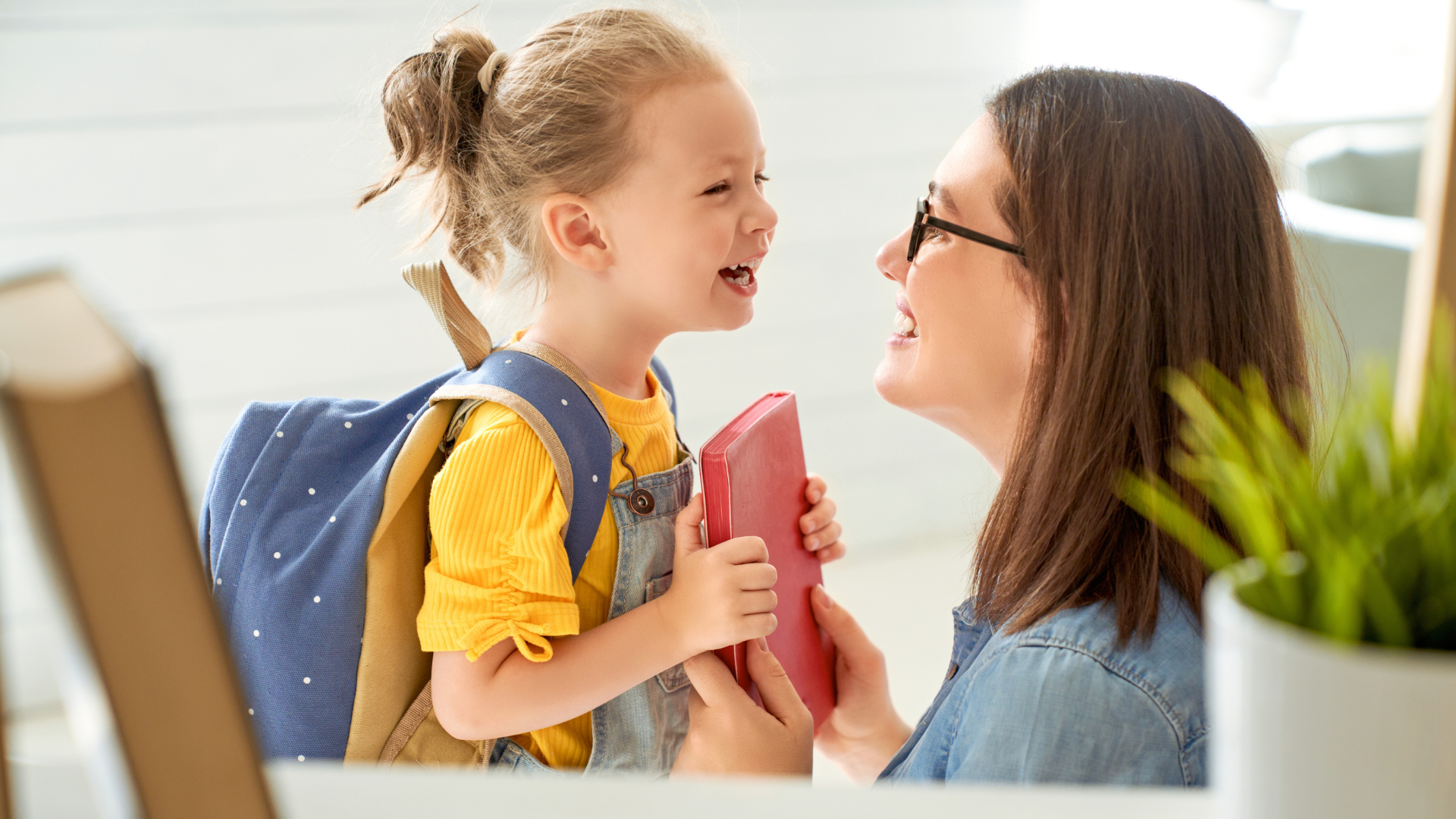
Parenting school-age kids comes with unique challenges that require balance, consistency, and clear communication. Understanding their developmental needs helps create a supportive environment where children can thrive both academically and personally.
The best parenting tips focus on establishing routines, encouraging independence, and maintaining open dialogue to build trust and confidence in your child. These strategies not only improve behavior but also foster emotional resilience essential for their growth.
Supporting school-age children means knowing when to guide and when to step back, allowing them to develop problem-solving skills and self-discipline. This careful approach prepares them for success inside and outside the classroom.
Understanding School-Age Development
School-age children experience rapid changes in thinking, emotions, social skills, and physical abilities. These shifts shape their learning styles, relationships, and daily activities. Awareness of these changes helps support their growth effectively.
Cognitive Growth Milestones
Between ages 6 and 12, children’s cognitive skills expand significantly. They move from concrete thinking to more logical and organized thought processes. This includes understanding cause and effect, planning, and problem-solving.
Reading and math skills improve with practice, enabling them to handle more complex material. Attention spans lengthen, allowing for longer focus during school tasks. Memory and language abilities also advance, supporting better communication and learning.
Children begin to grasp abstract ideas but still benefit from hands-on experiences. Encouraging curiosity and critical thinking is crucial during this stage.
Social and Emotional Changes
School-age children develop stronger friendships and a sense of loyalty. Peer acceptance becomes very important, influencing self-esteem and behavior. They start to understand others’ feelings more deeply and can cooperate better in group settings.
Emotional regulation improves, yet children may still struggle with frustration or disappointment. Clear communication and consistent discipline help manage these challenges.
They become more aware of social rules and fairness, which guide their interactions. Encouraging empathy and respect fosters positive relationships.
Physical Development Needs
Physical growth during school age is steady but varies widely among children. Motor skills become more refined, contributing to better coordination in activities like sports and writing.
Children need at least 9-12 hours of sleep, as rest supports both physical growth and cognitive functions. Balanced nutrition is essential to provide energy and build a strong immune system.
Regular physical activity is critical for healthy development. It enhances muscle strength, endurance, and overall wellness. Limiting screen time encourages more active play and better posture.
Effective Communication Strategies
Building trust and understanding with school-age children requires clear attention and purpose. Successful communication involves careful listening, positive feedback, and creating space for honest conversations. These elements help children express themselves confidently and feel valued.
Active Listening Skills
Active listening means fully focusing on what the child is saying without interruptions or distractions. This includes making eye contact, nodding, and using verbal acknowledgments like “I see” or “Tell me more.” These actions show the child they have your full attention.
Reflecting back on what the child has said is important. For example, if a child says they’re upset about a friend, responding with, “It sounds like you felt hurt when…” helps clarify understanding and validates their feelings. Avoid rushing to fix the problem, as sometimes children just want to be heard.
Positive Reinforcement Techniques
Positive reinforcement motivates children by acknowledging good behavior instead of focusing only on mistakes. Use specific praise such as: “I noticed how you finished your homework on time,” which reinforces the desired action clearly.
Incorporating tangible rewards, like extra playtime or a small treat, can enhance motivation but should be balanced with verbal encouragement. Avoid vague comments like “Good job” without details. Consistency is key; reinforce positive actions regularly to build lasting habits.
Encouraging Open Dialogue
Creating a safe, non-judgmental environment encourages children to share their thoughts honestly. Set aside regular, uninterrupted time for conversations, such as during meals or bedtime.
Ask open-ended questions like, “What was the best part of your day?” or “Is there something bothering you?” to prompt detailed responses. Avoid criticizing or dismissing their feelings, which can shut down communication. Showing empathy and understanding fosters a habit of open dialogue.
Promoting Academic Success
Creating consistency, fostering motivation, and maintaining open communication are essential for helping children excel in school. These strategies support both daily habits and long-term attitudes about education.
Establishing Homework Routines
Set a specific time and quiet place for homework each day. Consistency helps children develop discipline and reduce procrastination. Ensure all supplies are available before starting to minimize distractions.
Use a checklist or planner for tasks. This encourages responsibility and time management. Offer help when needed, but avoid doing the work for them.
Regularly review homework to monitor progress. Provide praise for effort, not just results, to build confidence and persistence.
Building a Positive Attitude Toward Learning
Encourage curiosity by linking school topics to real-life examples. Show enthusiasm for subjects to model interest. Avoid negative language about school or homework.
Celebrate achievements, large or small. Emphasize that mistakes are part of learning, which reduces fear of failure.
Promote reading as a daily habit. Choose books related to their interests to increase engagement. Positive reinforcement and patience help maintain motivation.
Partnering With Teachers
Communicate regularly with teachers through emails or scheduled meetings. Understand the expectations and challenges your child faces at school.
Ask for specific ways to support learning at home. Share relevant information about your child’s strengths and areas needing improvement.
Participate in parent-teacher events to stay involved. Collaboration fosters a supportive learning environment and ensures aligned goals.
Fostering Healthy Friendships
Encouraging children to build strong and positive friendships involves guiding their social development, helping them handle challenges from peers, and resolving conflicts that arise. Each of these actions strengthens their ability to interact confidently and respectfully with others.
Supporting Social Skills
School-age children need clear guidance on how to communicate effectively and understand social cues. Encourage them to use polite language, listen actively, and take turns during conversations. Role-playing different scenarios at home can help practice these skills.
Parents can also support empathy by discussing feelings and perspectives. Praise efforts to share, cooperate, and include others. Structured group activities like team sports or clubs provide natural settings to develop friendships and reinforce positive behaviors.
Navigating Peer Pressure
Peer pressure can strongly influence children’s choices, both positively and negatively. Teach them to judge situations independently and recognize when they feel uncomfortable or pressured. Use specific phrases they can say to refuse unwanted actions politely but firmly.
Reassure kids that it’s okay to say no and that true friends respect their decisions. Encourage open communication so children feel safe discussing experiences with peers without fear of judgment or punishment.
Addressing Friendship Conflicts
Friends sometimes disagree, and children must learn to resolve conflicts constructively. Teach them to express their feelings calmly and listen to the other person’s viewpoint. Use “I” statements like “I feel upset when…” to avoid blame.
Model problem-solving skills by guiding them to suggest compromises or agree to take turns on activities. If conflicts escalate, parents should intervene gently to mediate while encouraging children to work things out independently when possible.
Setting Boundaries and Discipline
Clear limits and fair consequences help children develop self-control and respect. Establishing straightforward expectations and following through consistently creates a structured environment where kids understand what behavior is acceptable.
Consistent Rules and Expectations
Consistency is crucial for children to learn boundaries. Set clear, simple rules that are age-appropriate and easy to remember. For example, establish specific times for homework, screen use, and bedtime.
Communicate these rules calmly and regularly. Avoid changing them frequently, as inconsistency can confuse kids and reduce their willingness to comply. Use positive language, like “We keep our hands to ourselves,” instead of vague or negative commands.
Reinforce rules with praise when children follow them. This encourages repetition of good behavior and builds trust around fairness and predictability in the home.
Constructive Consequences
Consequences should relate directly to the behavior. Logical consequences work best, such as losing screen time if homework isn’t done. Avoid punishment that feels arbitrary or harsh; it should teach, not intimidate.
Keep consequences immediate and clear. For younger kids, brief explanations like, “You didn’t finish your chores, so no TV tonight,” are effective. For older children, involve them in agreements about consequences to increase ownership.
Make sure consequences are enforceable. Inconsistent application weakens their effectiveness and can lead to testing limits.
Promoting Accountability
Encourage children to take responsibility by involving them in decision-making about rules and consequences. This can include discussing family expectations and consequences together at meal times or family meetings.
Use questions to help kids reflect: “What could you do differently next time?” This supports problem-solving skills and reduces repeated mistakes. Holding children accountable also means allowing them to experience natural consequences when safe, like the discomfort of being late if they don’t prepare the night before.
Model accountability by admitting your own mistakes. This sets a standard that everyone in the family is responsible for their actions.
Encouraging Independence and Responsibility
Promoting independence and responsibility helps children develop essential life skills. It fosters a sense of achievement and prepares them for future challenges, balancing guidance with opportunities for autonomy.
Age-Appropriate Chores
Assign chores that suit your child’s developmental stage. For younger kids (5-7 years), simple tasks like putting away toys or setting the table teach basic responsibility. Older children (8-12 years) can handle more complex duties such as laundry, meal prep, or taking out the trash.
Use a chore chart to track progress and create consistency. Weekly rewards or praise boost motivation. Ensure tasks are clear and manageable to avoid frustration. Chores build routine, time management, and a sense of ownership over their environment.
Decision-Making Skills
Allow children to make choices within boundaries. For example, let them pick their clothes or select a healthy snack from options you provide. This practice teaches evaluating options and consequences.
Encourage thoughtful reasoning by discussing why certain decisions work better than others. Use questions like, “What might happen if you choose this?” to guide critical thinking. Avoid rushing decisions to let children learn from mistakes safely.
Building Self-Confidence
Recognize effort over outcome to cultivate confidence. Celebrate small successes to reinforce positive behavior. Constructive feedback should focus on improvement rather than failure.
Provide opportunities for children to try new activities independently. This can include homework projects, sports, or hobbies. Confidence grows when children see their abilities increase through practice and support, not control.
Supporting Emotional Well-Being
Helping children manage their feelings and reactions plays a critical role in their emotional development. Identifying when they are struggling and encouraging healthy ways to express themselves supports resilience and self-awareness.
Recognizing Signs of Stress
Children may show stress through changes in behavior, such as irritability, withdrawal, or sudden mood shifts. Physical symptoms like stomachaches, headaches, or sleep disturbances can also indicate emotional strain. It is important to observe both subtle and obvious signs over time, as stress often builds gradually.
Creating a calm environment and regularly checking in with children about their feelings allows problems to be addressed early. Asking specific questions about their day or activities helps pinpoint stressors. Avoid dismissing their concerns, as validation encourages trust and openness.
Promoting Emotional Expression
Encourage children to name their emotions by providing a list of feeling words or using emotion charts. This helps them communicate more clearly and reduces frustration. Modeling healthy emotional expression, such as calmly discussing worries, sets a practical example.
Activities like journaling, drawing, or role-playing offer safe outlets for feelings. Praise efforts to express emotions constructively, reinforcing the idea that all feelings are valid. Consistent routines that include time for conversation and reflection further build emotional skills and security.
Healthy Lifestyle Habits
Establishing good routines with food and exercise supports growth, learning, and overall well-being. Consistency and balance in daily habits help children develop skills that last a lifetime.
Balanced Nutrition Choices
Providing school-age children with a variety of nutrient-rich foods is essential. Meals should include lean proteins, whole grains, fruits, and vegetables to supply energy and important vitamins.
Limit intake of added sugars, processed snacks, and sugary drinks, as these can lead to energy crashes and poor concentration. Encourage drinking water throughout the day to stay hydrated.
Portion control matters; children need enough to fuel their activity but not excess calories. Involve kids in meal planning to teach them about healthy choices and develop positive attitudes toward food.
Importance of Physical Activity
Regular physical activity supports muscle development, cardiovascular health, and mental focus. Children should aim for at least 60 minutes of moderate to vigorous activity daily.
Include a mix of structured exercises like sports and free play, such as biking or running. Physical activity improves mood, reduces stress, and fosters social skills through teamwork.
Limit sedentary time by encouraging breaks from screens and promoting active hobbies. Consistency in movement helps build endurance and healthy habits that extend into adulthood.
Limiting Screen Time and Technology Use
Managing how much time kids spend on screens and what they access is essential for their development and well-being. Clear rules and alternative activities help balance technology use and promote healthier habits.
Setting Digital Boundaries
Establish specific limits on daily screen time based on age and activities. For school-age children, a common guideline is no more than 1 to 2 hours of recreational screen use per day. Use tools like parental controls to block inappropriate content and schedule tech-free times, especially during meals and before bedtime.
Agree on tech rules together to improve compliance. For example, turning off devices an hour before sleep can enhance rest quality. Consistent enforcement reinforces boundaries and reduces conflicts about screen use.
Encouraging Offline Activities
Promote activities that don’t involve screens to support physical, social, and cognitive growth. Suggest hobbies like reading, sports, board games, or creative arts. Schedule family time outdoors or interactive play to engage children away from devices.
Use lists or charts to help kids visualize their daily offline activities. Encourage them to set personal goals, like reading for 30 minutes or playing outside daily. This diversifies experiences and decreases dependence on technology for entertainment.
Maintaining Family Connections
Strong family connections support school-age kids’ emotional well-being. Regular communication helps children feel secure and valued. It promotes trust and fosters open dialogue about their daily experiences.
Scheduling consistent family time is important. Activities like shared meals, game nights, or outings provide opportunities for bonding. Even short, focused moments together each day can strengthen relationships.
Use technology wisely to maintain contact, especially when physical presence is limited. Video calls, messages, or shared digital activities keep family members connected. However, balance screen time with in-person interactions.
A simple checklist for maintaining family ties:
| Action | Purpose | Frequency |
| Family meal together | Encourages conversation | Daily |
| One-on-one time | Builds individual bonds | Weekly |
| Group activities | Enhances group cohesion | Weekly or biweekly |
| Open communication | Develops trust | Ongoing |
Listening actively without judgment is essential. It makes children feel understood and encourages honesty. Show interest in their interests and school life to deepen the connection.
Parents modeling respect and empathy set a strong example. These values create a positive family environment where kids can thrive.