Creating a beautiful garden on a budget is possible with a few resourceful strategies. By focusing on low-cost materials, utilizing native plants, and embracing DIY projects, anyone can transform their outdoor space without breaking the bank. With creativity and planning, it is achievable to cultivate a stunning garden that enhances the home and provides a serene retreat.
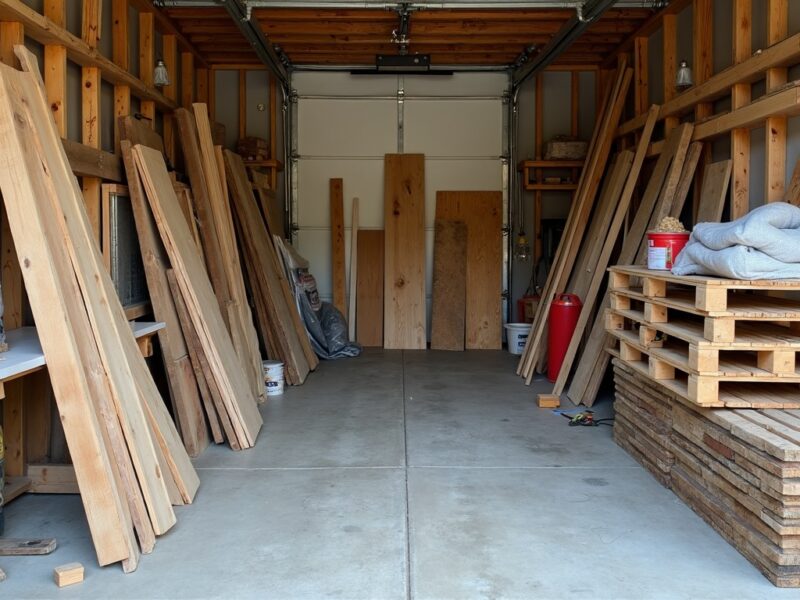
Affordable gardening is about making smart choices that prioritize both beauty and practicality. Choosing perennials over annuals, for example, allows for long-lasting blooms without the need for constant replanting. Incorporating recycled materials, such as old pallets or bricks, can create unique garden features while also saving money.
Nature offers a wealth of resources. For instance, starting plants from seeds not only reduces costs but also allows for a customized garden selection. Taking advantage of local plant sales and community exchange days can provide additional budget-friendly options. With a little ingenuity, anyone can create a thriving garden space that reflects their personal style.
Planning Your Budget Garden
Planning a budget-friendly garden involves thoughtful choices in plant selection, material sourcing, and layout design. While many elements can be managed independently, tasks like tree removal, pruning, or addressing complex landscape issues often require expert support.
Partnering with professionals like those at Top Tier Trees and similar others can make a significant difference in the overall success of a garden project. Their expertise ensures that trees are properly cared for, potential hazards are addressed, and the landscape is set up for long-term health and visual appeal, all without compromising with the budget.
Beyond plants and trees, durable hardscape can protect one’s investment and reduce long-term maintenance costs. For budget-conscious gardens, materials like stained concrete can offer a cost-effective way to create smooth, easy-to-clean pathways and patios that blend with planting beds and seating areas.
Properly installed finished surfaces can mimic the look of pavers or natural stone while requiring less upkeep, freeing time and resources for planting and care. Working with a contractor who understands both landscaping and hardscaping helps ensure these surfaces tie into drainage and planting plans.
Choosing the Right Plants
Selecting plants that thrive in local conditions will save money and effort. Native plants are a smart choice since they typically require less maintenance and water.
Key advantages of native plants:
- Adapted to local climate
- Attracts local wildlife
- Low upkeep
Perennials are also beneficial as they return year after year, reducing the need for replanting. When choosing flower seeds, consider blooms that fit within the local growing season to ensure vibrant displays. Prioritize budget-friendly options by checking online resources or local nurseries for discounts.
Utilizing Online Marketplaces
Online marketplaces offer a variety of plants and gardening supplies at reduced costs. Platforms like Facebook Marketplace, Craigslist, and local garden groups can yield great deals.
Tips for success with online buying:
- Always inspect plants before purchase.
- Compare prices across different listings.
- Consider joining gardening forums or Facebook groups for trades and giveaways.
Buying used tools or second-hand gardening supplies can significantly cut expenses. Connecting with local gardeners may also lead to swaps, allowing for the exchange of plants or materials.
Creating a Garden Layout
A thoughtful garden layout maximizes space and enhances plant health. Drawing a simple plan helps visualize plant placement.
Key layout tips:
- Group plants by water and sunlight needs.
- Use taller plants as backdrops and shorter ones in front for better visibility.
- Create pathways for easy access and maintenance.
Incorporate spacing considerations to account for future growth, preventing overcrowding. Raised beds or container gardens can optimize the use of limited space, allowing for an abundance of flowers and greenery without excessive costs.
Acquiring Gardening Supplies
A beautiful garden can be achieved with strategic planning and resourcefulness. Obtaining the right supplies at an affordable price is crucial for minimizing expenses while maximizing aesthetic appeal. Here are several effective ways to source essential gardening items.
Finding Affordable Tools
Gardening tools do not need to be expensive. Many local hardware stores offer budget-friendly options. Shears, trowels, and rakes can often be found at discount retailers or during seasonal sales.
Consider second-hand options:
- Thrift stores
- Garage sales
- Online marketplaces (like Craigslist or Facebook Marketplace)
Another smart tactic is to borrow tools from neighbors or friends. Sharing reduces the overall cost and builds community ties. Affordable gardening tools can also be made from repurposed household items. For example, an old kitchen knife can serve as an effective weeding tool.
DIY Potting Solutions
Instead of purchasing pricey plant pots, there are many DIY solutions available. Reusing containers is an excellent way to save money. Consider using items such as:
- Old buckets
- Tin cans
- Wooden crates
Make sure any container has proper drainage holes. This prevents water from accumulating and harming the roots. Decorating these containers with paint or fabric can enhance their visual appeal without significant expense.
Additionally, creating a DIY potting mix is a cost-saving option. Mixing equal parts of peat moss, vermiculite, and compost can yield a nutrient-rich blend much cheaper than retail versions.
Propagating Plants to Save Money
Plant propagation is a budget-friendly method to expand a garden. Many plants can be easily propagated through cuttings, division, or layering.
For example, herbs like basil and mint root readily root in water. Following these simple steps allows gardeners to multiply their stock without purchasing new plants:
- Take a cutting of a healthy plant.
- Remove the lower leaves.
- Place the cutting in water or soil until roots develop.
This not only saves costs but also enhances garden variety. Sharing propagated plants with friends or fellow gardeners can create a thriving, connected gardening community.
Designing Your Garden
Creating a beautiful garden on a budget involves careful planning and creativity. Utilizing vertical elements and selecting aesthetically pleasing plants can enhance the garden’s appeal while minimizing costs.
Incorporating Vertical Elements
Vertical gardening is an efficient way to maximize space. It allows for more plants in smaller areas and adds visual interest. Gardeners can use trellises, wall planters, or hanging baskets to achieve this effect.
Benefits of Vertical Gardening:
- Space-saving: Ideal for small yards or balconies.
- Enhanced sunlight exposure: Plants can receive more light.
- Attractive displays: Arrangements can become artful focal points.
Consider using climbing plants such as roses or ferns that can grow upward rather than spread out. A variety of textures from different plants can create depth and intrigue. Budget-friendly options include recycled materials, such as pallets or old shelves, to build vertical structures.
Selecting Aesthetically Pleasing Plants
Choosing the right plants is crucial in garden design. Selecting flowers and foliage that complement each other can create a cohesive look. Roses provide classic beauty and can be trained on arbors or trellises.
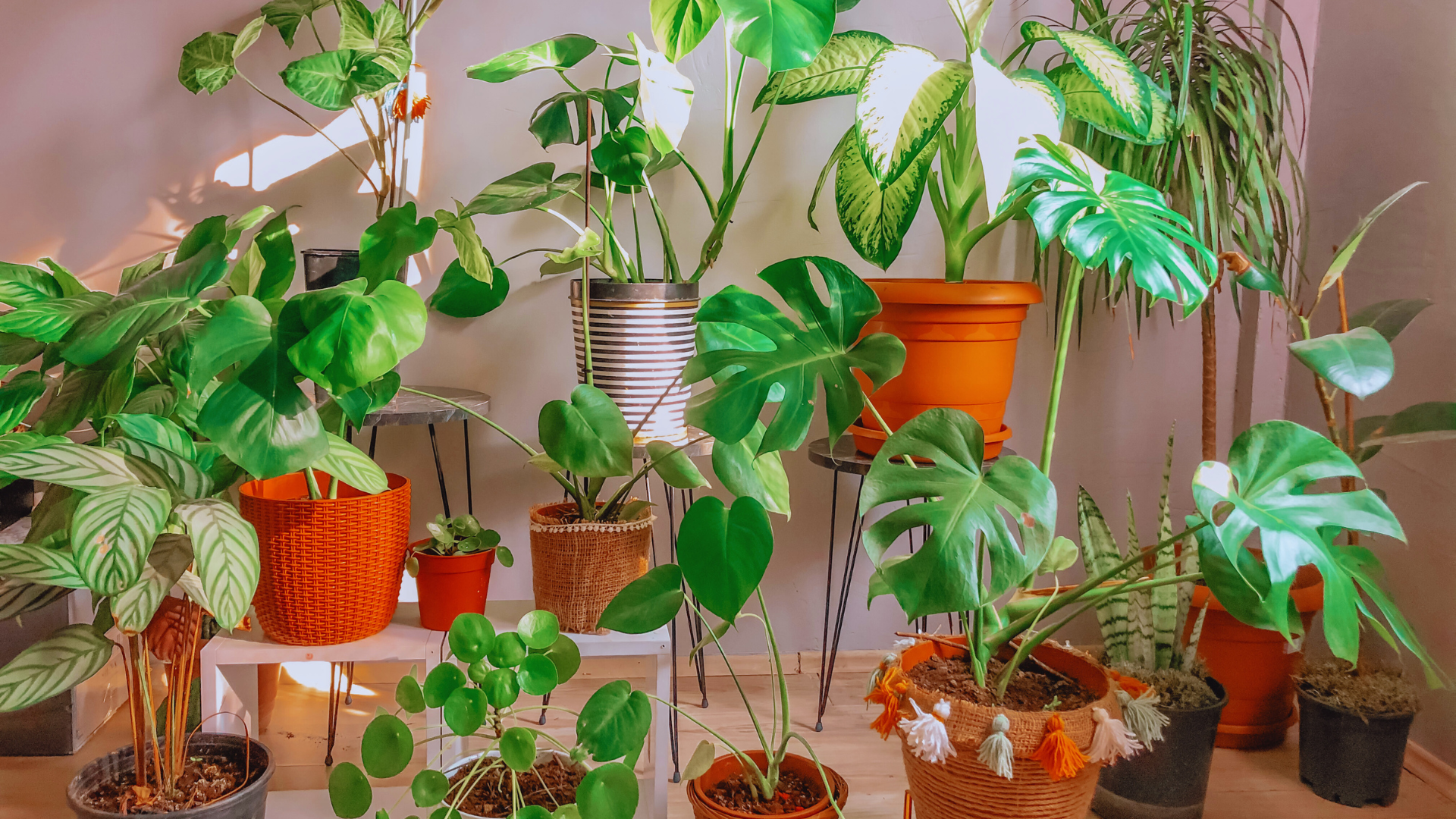
Incorporating ferns adds greenery and texture, and they generally require less maintenance. Opt for local plant varieties, as they are often hardier and cheaper.
Tips for Plant Selection:
- Group plants by color and texture for visual impact.
- Consider seasonal bloom times for year-round interest.
- Choose perennials over annuals to reduce future costs.
A thoughtful mix of perennials and annuals can help achieve a vibrant and dynamic garden on a budget.
Maintaining Your Garden
Proper maintenance of a garden can make plants thrive and produce abundant yields, especially in vegetable gardens and perennial flower beds. Maintenance can include tasks like pruning and deadheading, which help promote healthy growth and encourage continuous blooming.
Additionally, properly managing pest issues is a critical aspect of garden maintenance, as unchecked infestations can damage plants, reduce yields, and disrupt the overall ecosystem of the garden. For instance, if a honeybee hive is discovered near flower beds, gardeners can rely on specialized services to get rid of bees safely while protecting surrounding plants and maintaining a healthy garden environment.
In addition to that, regular watering is equally important, particularly during dry spells, to keep soil consistently moist and plants well-hydrated. For added convenience and consistency, automated solutions like well-placed sprinklers can help streamline the process. However, when issues arise, relying on a trusted sprinkler system repair service or scheduling routine maintenance can ensure the irrigation remains efficient and the garden continues to thrive.
Ongoing Care for Perennials
Perennials bloom year after year, making them a popular choice. Regular care includes:
- Watering: Ensure consistent moisture, particularly during dry spells. Use mulch to retain soil moisture and regulate temperature.
- Fertilizing: Apply a balanced fertilizer in early spring and again in mid-summer. This boosts growth and flowering.
- Pruning: Remove dead or spent foliage after blooming. This encourages new growth and improves airflow, reducing disease risk.
Additionally, dividing perennials every few years revitalizes them and promotes healthy development. Timing this in early spring or fall maximizes success.
Seasonal Tips for Vegetable Gardening
Maintaining a vegetable garden requires specific seasonal strategies. Key practices include:
- Spring: Prepare soil by tilling and adding compost. Plant cool-weather crops like spinach and peas early on.
- Summer: Monitor water levels as vegetable plants may require more hydration. Regular weeding ensures plants aren’t competing for resources.
- Fall: Harvest vegetables before frost. Clean up debris to prevent pests and diseases from overwintering. Consider planting cover crops to improve soil health.
By integrating these practices, gardeners can enhance yields and enjoy a thriving vegetable patch throughout the growing season.