Why Proper Waste Planning Is the Most Overlooked Part of a Successful Renovation
While many renovation budgets include items such as materials, labor, and permits, very few of them consider the expense of a messy and disorganized jobsite. This is often the reason why projects end up costing more and taking longer than planned.
Waste is a project management problem, not a cleanup problem
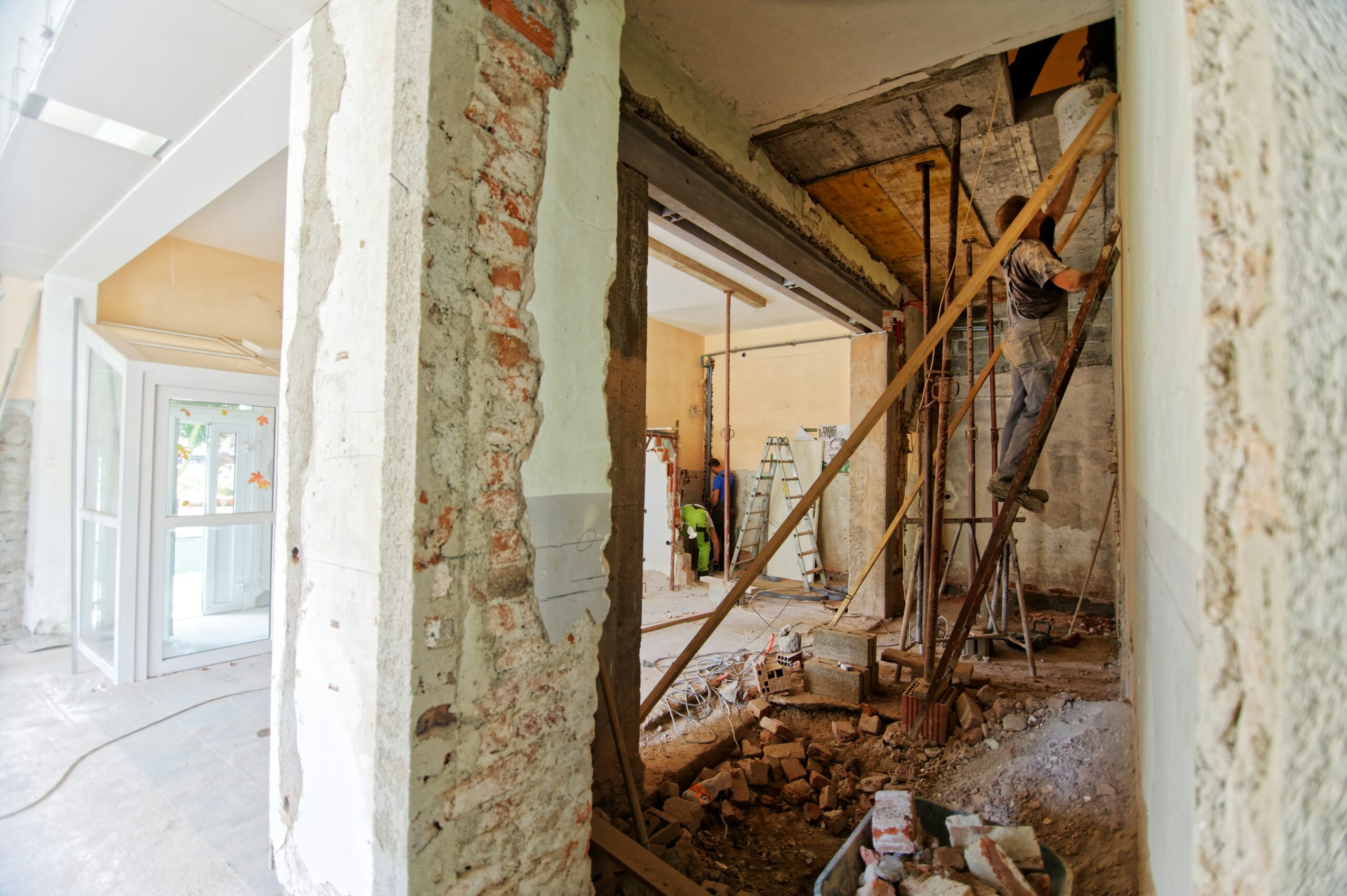
The natural inclination is to regard "removal of debris" as something that takes care of itself at the end of the job, like ordering the final dumpster. But when you wait to clean as you go until you can no longer go, you create what site managers call a bottleneck effect. As waste piles up, it literally starts blocking progress. Workers have to step around increasingly unsafe conditions. Residual waste from the previous phase interferes with the next phase. Trade workers can’t work efficiently or at full pace, and depend on other trade workers to responsibly remove potentially dangerous waste from open areas.
Dirt, wood scraps, and other small debris gets shuffled around and ground into objects and surfaces declining any visual appeal and property value. Minutes turn to days and days turn to weeks. One part of your team spends time playing janitor instead of plumber, electrician, or carpenter. Treating waste removal as a scheduled phase – with dedicated time and equipment – removes the friction entirely.
Dumpster placement is a logistics decision, not an afterthought
The placement of the debris box is critical for the entire job site. The closer it is to the work zone, the less time and effort you’ll spend hauling material – that’s obvious. However, it must also be placed according to the structural load.
A full roll-off dumpster can weigh tens of thousands of pounds. Placing it directly on a standard residential driveway without any protection can cause surface cracking, especially on older concrete or asphalt. Some cities and counties require permits to stage your container right on the street, curb, or sidewalk. This can add weeks to the process, and needs to happen before delivery, not after.
Place and size are the two most important factors to consider when renting a roll-off. Working with https://tcbayareadisposal.com/ means you get the lowdown on correct sizing pre-project, so you don’t lose precious hours dealing with pickup, redelivery, and swap out if your box feels too small mid-project.
The material audit most homeowners skip
Before you start breaking down walls, someone has to step into the room and put things into boxes. This step is known as a material audit, and it’s necessary for two reasons.
Firstly, there might be hazardous stuff you didn’t even know you had. A lot of older buildings are full of asbestos insulation and lead paint. This kind of material has to be hauled away according to strict, distinct removal protocols that differ from the protocols for standard waste. Not only is throwing this stuff together with the old drywall against the law, it can shut your job down and hit you with thousands of dollars in penalties.
The second reason is that lumping everything together is expensive. The more the waste processor has to handle your muck, the more it’s going to cost. The starker the lines you can draw between wood, metal, concrete, and generic rubbish, the better your tipping rate. What’s more, a processor’s right to add ‘contamination fees’ to a bill for a mixed load can lead to some surprisingly large items on your total bill.
The concrete slurry washed off the walls and masonry work is another good example – it’s going to put you in the red on the contamination fee unless you pre-line the roll-off. These are the factors that people don’t foresee until they’re losing money, but they’re entirely avoidable with an ounce of foresight.
Hidden fees and how to avoid them
Extra charges due to excess weight and contamination often come as a surprise during a renovation project. However, both of these costs can be avoided if you plan ahead.
Firstly, overage fees are applied when the debris from your demolition or construction project goes over the weight allowance for your container rental. The haulers charge by the ton for amounts over the approved limit. Staying within weight limits can be tricky, but having a good idea in advance of your demolition scope – how much drywall, how much concrete, whether there’s old roofing material – will let you come up with a much more accurate estimate.
Second, contamination penalties are applied when a restricted item is found in a load sent for general debris that’s meant for the landfill. Electronics, liquid paint cans, certain adhesives, and hazardous materials require their own disposal methods and can’t simply be thrown into your roll-off rental. One careless load can lead to the entire container being tagged to be diverted at the transfer station, with all of the associated cost passed back to you.
Sustainability is also a compliance issue now
Construction and demolition debris accounts for over 600 million tons of waste annually. In response, many local jurisdictions now mandate minimum landfill diversion rates for renovation projects. Meaning a required percentage of your debris must be recycled or reused. Not buried.
For projects pursuing LEED certification, waste documentation is non-negotiable. But even outside of green building programs, failing to meet local diversion requirements can delay final inspections and certificate of occupancy sign-offs.
Salvage value is the upside of this equation. Copper piping, vintage fixtures, and reclaimed lumber have real market value. Identifying these before demolition lets you sell or donate them, offsetting some disposal costs before a single load leaves the site.
Waste planning doesn’t add complexity to a renovation – it removes it. The projects that run smoothly are the ones where debris has somewhere to go before it becomes a problem.