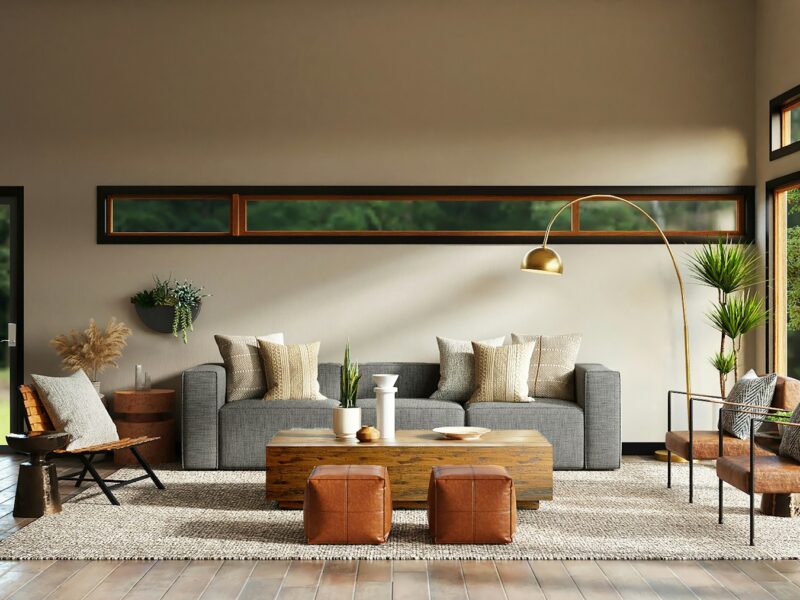

Incorporating natural elements into home design creates a refreshing and harmonious environment that fosters well-being. Biophilic design principles suggest that integrating features such as plants, natural light, and organic materials can enhance mood and productivity, reflecting a love of nature within the home. By harmonizing indoor spaces with the outdoors, residents can enjoy a tranquil atmosphere that reduces stress.
Designers often recommend adding elements like wood, stone, and greenery to establish a connection with the surrounding landscape. The use of natural textures and colors not only adds visual interest but also promotes a sense of calm. Homeowners looking to revitalize their spaces can find inspiration in the beauty of nature, transforming their interiors into serene retreats.
Ultimately, focusing on natural elements in home design not only elevates aesthetics but also contributes to emotional well-being. A thoughtfully designed space that embraces nature invites creativity and relaxation, making it an essential consideration for anyone looking to enhance their living environment.
The Essence of Natural Elements in Home Design
Natural elements play a crucial role in home design by enhancing aesthetics and promoting well-being. Incorporating materials and features inspired by nature can transform a space into a harmonious environment.
Historical Context and Modern Relevance
Historically, natural materials like wood, stone, and clay were primary building components. These materials were abundant and shaped traditional architecture.
In contemporary design, a resurgence of interest in sustainability has led to a renewed focus on natural elements. Designers strive to create spaces that echo the natural surroundings, fostering a connection between indoor and outdoor environments.
Natural light is also a vital aspect of modern design. Large windows and open layouts enhance daylight exposure, contributing to a pleasant atmosphere. This connection to the outdoors elevates the overall aesthetic and supports mental well-being.
Key Principles of Biophilic Design
Biophilic design emphasizes the importance of integrating nature into the built environment. Key principles include incorporating greenery, natural materials, and maximizing natural light.
Plants contribute to air quality and add vibrancy to interiors. Vertical gardens, indoor planters, and natural wood furnishings create a calming effect.
Natural light is another essential principle. Daylight not only brightens interiors but also aligns with circadian rhythms, leading to improved mood and productivity.
Combining these elements creates inviting spaces that enhance residents’ well-being. The thoughtful incorporation of natural features supports both physical and mental health, aligning with the increasing emphasis on wellness in design.
Integrating Natural Materials for Harmony and Aesthetics
Natural materials foster a sense of calm and connection in home design. By incorporating elements like wood, stone, and woven textures, spaces become more inviting and visually appealing.
Wood and Wood Furniture
Wood is a fundamental element in home design, offering warmth and character. Using solid wood furniture creates durability and a timeless quality.
Different types of wood—like oak, walnut, and maple—each bring unique grain patterns and colors that enhance a room’s aesthetic. Reclaimed wood has gained popularity for its rustic charm and environmental benefits. It adds history and texture, making a statement in any space.
Tips for choosing wood:
- Consider the grain and finish.
- Match wood types with the overall design theme.
Stone, Natural Stone, and Earthy Tones
Natural stone adds an organic touch to interiors and exteriors alike. Stone walls, countertops, or flooring can connect home spaces to nature.
Colors in earthy tones, such as browns, tans, and grays, contribute to a grounding atmosphere. These hues complement various design styles and create a relaxed environment. Options like slate, granite, and limestone provide durability while elevating visual interest.
Natural stone application ideas:
- Use large stone slabs for prominent surfaces.
- Incorporate smaller stones in decorative elements.
Rattan, Bamboo, Wicker, and Reclaimed Wood
Woven materials like rattan, bamboo, and wicker offer texture and lightness to home design. These materials are eco-friendly and durable, suitable for a variety of applications.
Rattan pieces work well in both indoor and outdoor settings, blending aesthetic appeal with functionality. Bamboo, known for its rapid growth, adds sustainable options to furniture choices.
Reclaimed wood can also complement woven materials, enhancing the natural theme. When paired, these textures create visual contrast, enriching the overall design.
Considerations for woven materials:
- Select pieces that showcase craftsmanship.
- Balance with heavier materials for contrast.
Enhancing Home Environments for Health and Productivity
Creating a home environment that positively impacts health and productivity involves strategic use of natural elements. Focusing on plants, air quality, and lighting can enhance cognitive function, reduce stress, and stimulate creativity.
The Role of Plants: Indoor Garden and Living Walls
Incorporating indoor plants promotes better air quality and can lead to increased productivity. Plants like Spider Plants, Pothos, and Snake Plants are known for their air-purifying capabilities.
Living walls can be a striking design feature while offering space savings. They provide not only aesthetics but also psychological benefits by reducing stress and boosting mood.
Research shows that having plants indoors may enhance cognitive function, allowing for sharper focus and heightened creativity. A simple indoor garden can transform a workspace, leading to a healthier and more productive environment.
Optimizing Air Quality and Energy Efficiency
Air quality plays a crucial role in enhancing overall well-being. High levels of indoor pollutants can lead to fatigue and decreased productivity.
Using HEPA filters in ventilation systems can significantly improve air quality. Regular maintenance of heating and cooling systems also ensures that energy efficiency is maximized.
Sealing windows and doors prevents drafts and maintains indoor comfort. This optimization not only saves energy but also creates a healthier atmosphere.
Cultivating an air-friendly home supports mental clarity and boosts task performance.
Lighting: Natural and Artificial Synergy
Lighting significantly impacts mood, comfort, and productivity within a home. Maximizing natural light through thoughtful window placement, open layouts, and architectural solutions such as Sunsquare skylights and similar others can create bright, uplifting interiors while reducing reliance on artificial lighting. This increased exposure to daylight also supports healthier circadian rhythms, helping occupants feel more energized and focused throughout the day.
Combining natural light with artificial lighting can enhance effectiveness in workspaces, especially during darker months. To perfectly manage the balance between these two light sources, homeowners can consider custom window shades from Boyds Blinds, or from a similar firm, to control the intensity of sunlight entering a room. This can prevent glare while still utilizing natural illumination. Moreover, using energy-efficient LED bulbs can mimic daylight and maintain energy efficiency.
Task lighting, such as desk lamps, supports focus during specific activities. A well-lit environment can minimize eye strain and improve overall comfort, fostering a more productive setting.
By thoughtfully integrating these elements, homes become supportive spaces for health and productivity.
Creating Sensory Experiences Through Natural Design Elements
Incorporating natural elements into home design can significantly enhance sensory experiences. Thoughtful integration of water features, nature-inspired colors, and the interplay of natural elements creates a calming atmosphere that connects individuals with the environment.
Water Features: Bringing Calm and Relaxation
Water features like fountains or small ponds serve as stunning focal points in a home. The sound of flowing water has a soothing effect, promoting relaxation and reducing stress.
Design Tips:
- Choose a style that complements existing decor, such as modern or rustic.
- Consider eco-friendly options that utilize natural filtration systems to maintain water quality.
Incorporating plants around water features can enhance the aesthetic and improve air quality, further enriching the sensory experience. Also, regular upkeep of water features and household water systems is essential to maintain consistent water flow, prevent buildup, and ensure long-term functionality throughout the home. In this regard, homeowners can contact Metro Plumbing Heating & Air (or other such companies) for professional inspections, maintenance, and timely repairs to keep these systems running efficiently and reliably.
Color Palettes and Textures Influenced by Nature
Natural color palettes draw inspiration from landscapes, creating a harmonious and calming environment. Earthy tones like greens, browns, and soft blues evoke feelings of tranquility.
Texture Choices:
- Use materials such as wood, stone, and bamboo to introduce varied textures that mimic the outdoors.
- Consider textiles that provide visual interest, such as linen or cotton.
Combining these colors and textures can transform spaces into inviting retreats that foster relaxation and comfort.
The Interaction of Wind, Sun, and Nature Indoors
Bringing the elements of wind and sunlight into home design enhances the sensory experience. Proper placement of windows can maximize natural light, energizing spaces.
Choosing high-quality windows is essential to fully benefit from these natural elements. Options such as double- or triple-glazed glass, UV-protective coatings, and sturdy frames can significantly enhance comfort while protecting interiors from excessive heat and glare.
It’s equally important to address any window-related issues promptly. Cracks, air leaks, condensation between panes, or difficulty opening and closing windows can compromise both comfort and energy efficiency. If such problems arise, it’s best to contact professional window repair companies immediately.
Implementation Ideas:
- Install large windows or skylights to invite sunlight and create a vibrant atmosphere.
- Utilize natural ventilation by strategically opening windows to allow breezes to flow through, connecting the interior with the outside world.
Plants can thrive in these environments, adding beauty and purifying the air, thus completing the cycle of natural interaction.